As an Amazon Associate, we earn from qualifying purchases. Some links on this site are affiliate links at no extra cost to you. Our recommendations are based on thorough research and editorial judgment.

How To Thicken Sauces?

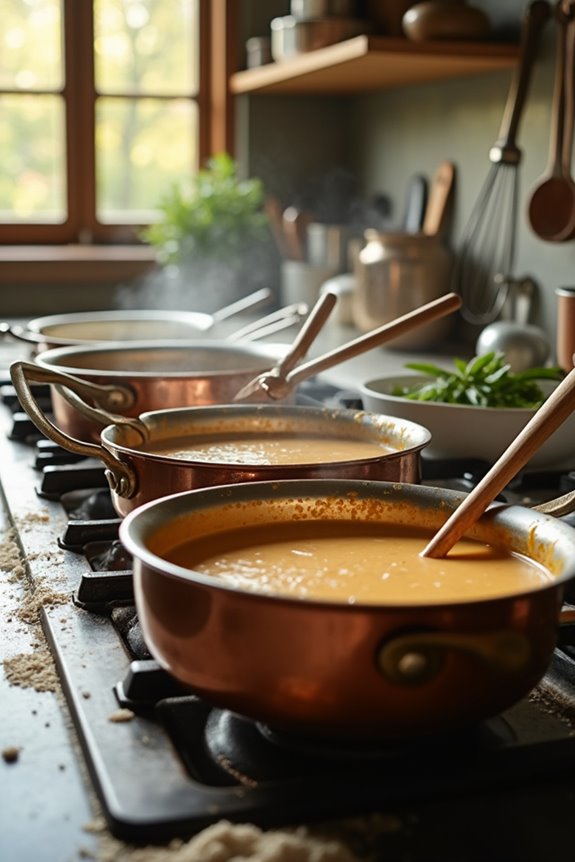
When we want to thicken sauces, there are several tried-and-true methods we can use. Roux is a classic choice, mixing equal parts flour and fat for richness. Starch slurries—like cornstarch mixed with water—give us a glossy finish. We can also reduce sauces by simmering to concentrate flavors. Pureed veggies add a nutritious boost too! Keep stirring to avoid lumps and remember, each method serves a different purpose. Stick around, and we’ll explore these techniques even deeper!
Key Takeaways
- Use a roux made from equal parts flour and fat, stirring constantly to achieve a rich, creamy base for sauces.
- Create a starch slurry by mixing cornstarch or arrowroot with cold water, then gradually whisking it into your hot liquid.
- Simmer sauces to reduce them, concentrating flavors and thickening the mixture without adding extra ingredients.
- Blend cooked vegetables into the sauce for added nutrition and natural thickness, using mild-tasting options like carrots or zucchini.
- Avoid overcooking and excessive heat, which can break down starches and make sauces watery or gluey.
Roux: The Classic Thickener
You may be interested



When we think about thickening sauces, roux is often the unsung hero in our kitchens, and it’s easy to see why! This simple blend of equal parts flour and fat is our go-to for creating deliciously rich sauces. By mastering a few roux preparation techniques, we can play with flavor profiles that elevate our dishes. Whether we’re whipping up a creamy béchamel with white roux or savoring a deep, aromatic gumbo with dark roux, each option brings its own magic. It’s all about balance! Remember to stir constantly over medium heat, and don’t be afraid to experiment. A well-made roux can transform an ordinary meal into something extraordinary! Additionally, using non-toxic materials in your cookware can enhance the cooking experience and ensure safety in the kitchen. Let’s keep our kitchens filled with those beautiful, thick sauces!
Recommended Products

select premium hard white wheat

All of our type 00 flour's are similar in quality however the distiction is made in the level of protien, gluten, W (absorbtion rate) formulated with the selection of grains. Please see the attachments for the difference.
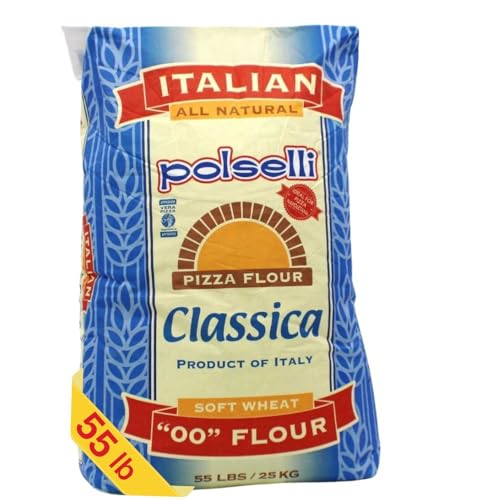
All of our type 00 flour's are similar in quality however the distiction is made in the level of protien, gluten, W (absorbtion rate) formulated with the selection of grains. Please see the attachments for the difference.
Starch Slurries for Glossy Sauces
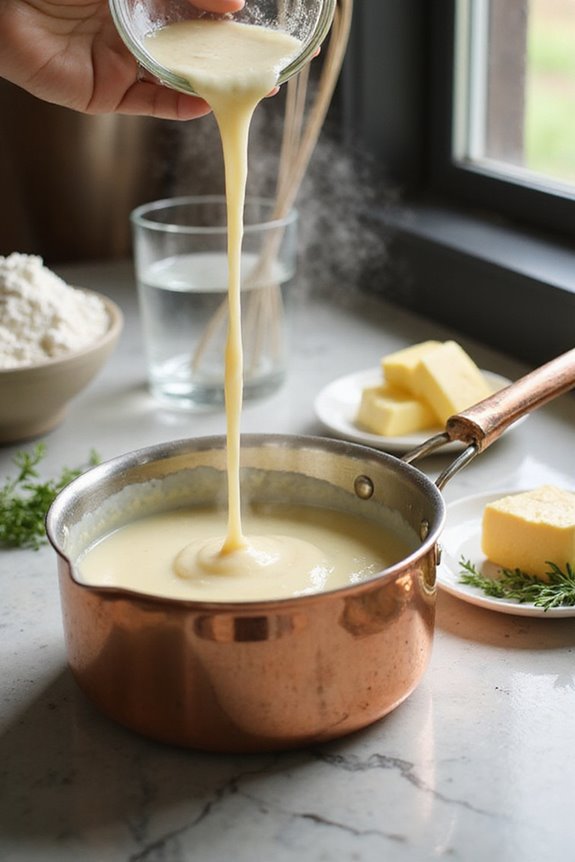
After mastering the art of roux, it’s time to explore another fantastic method for thickening sauces: starch slurries! These quick-and-easy mixes are a game-changer for glossy finishes. We typically use starch varieties like cornstarch, arrowroot, or potato starch. Remember, the typical thickening ratio is 1 tablespoon of starch to 1 tablespoon of cold water—perfect for about 1 cup of liquid!
Whisk your slurry until smooth and add it gradually to hot liquid, stirring continuously. This prevents clumps and guarantees a lovely sheen. Just watch the heat; too much boiling can break down the starch and thin our sauce. So, let’s elevate our sauces together and create that vibrant finish that delights the eyes and palate! Additionally, using a dishwasher-safe component like a mixing bowl can simplify cleanup after preparing your sauce.
Recommended Products

GOOD INGREDIENTS FOR ALL: Bob’s Red Mill Arrowroot Starch is a naturally gluten free, grain free ingredient, perfect for gluten free baking and for anyone seeking a versatile thickening agent

Earthborn Elements Corn Starch

Earthborn Elements Potato Starch in a resealable bucket
Reducing Sauces for Intense Flavor
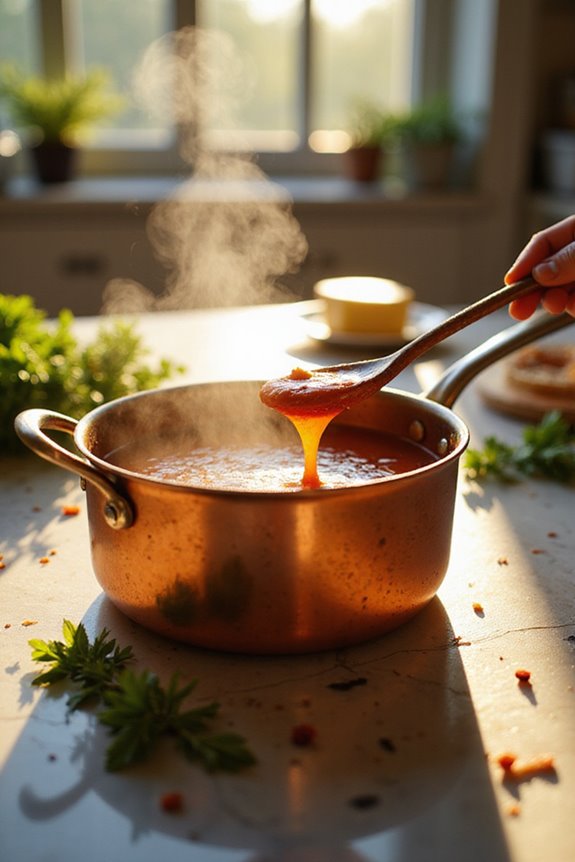
Reducing sauces not only transforms a basic dish into something spectacular, but it also deepens flavors in a way that no other method can match. When we simmer or boil, we evaporate water, leading to flavor concentration that enhances sauce viscosity without diluting those lovely seasonings. Picture those umami-rich stocks or the depth of wine coming alive as they reduce! Just remember to stir occasionally to prevent sticking, and adjust seasoning as needed. It’s amazing how a dash of sugar or a hint of cream can create balance after reduction. Reduced sauces work beautifully as glazes for meats or drizzles over veggies. So, let’s embrace this culinary magic and savor the luscious intensity of our creations! Additionally, using a cast iron grill pan can complement your sauce reduction by providing a perfect sear to your proteins, enhancing the overall flavor profile of your dish.
Pureed Vegetables: A Natural Thickener
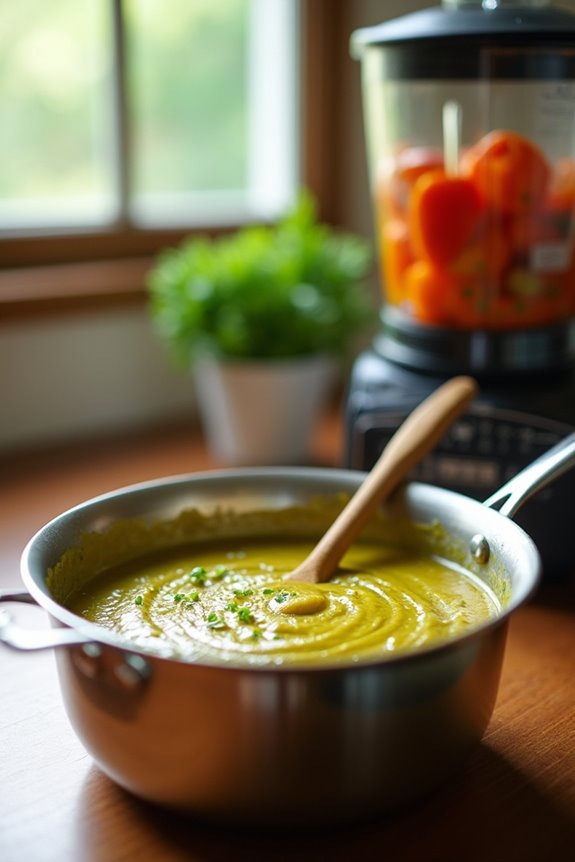
Thickening sauces with pureed vegetables is not only a smart way to enhance our dishes, but it also brings a delightful nutritional boost to the table. Using pureed vegetables adds vitamins, minerals, and dietary fiber, making our sauces healthier. Plus, they serve as fantastic thickeners, reducing our reliance on fat-based options. So, let’s plunge into some vegetable puree techniques! We can cook veggies like carrots or potatoes until tender, then blend them smoothly with some cooking liquid. As we incorporate the puree back into our sauce, we can adjust thickness to our liking. Remember, using zucchini or yellow squash can keep flavors mild while thickening beautifully—which is always a win! Embrace the pureed vegetable benefits today for a flavorful change! Additionally, using meal prep containers can help organize and store leftover sauces effectively for future use.
Dairy and Cheese as Thickeners
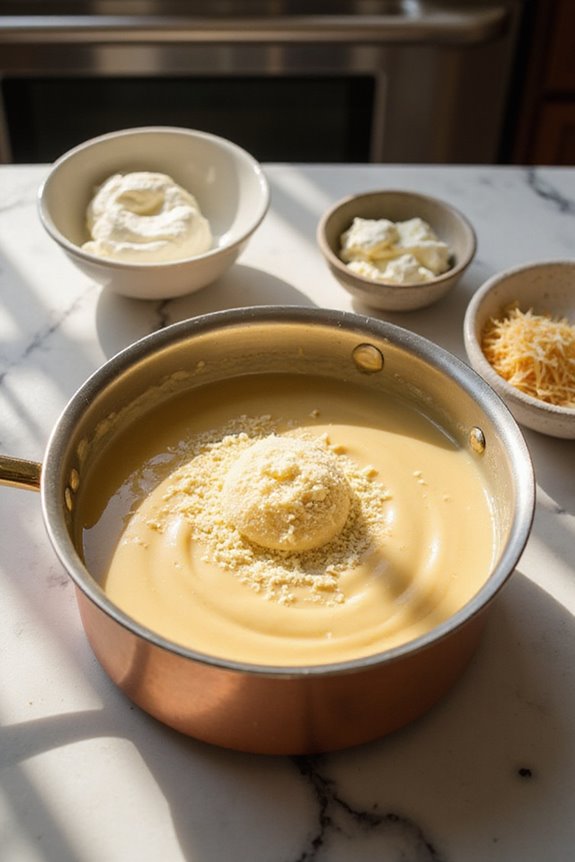
When we think about thickening sauces, dairy and cheese are often our secret weapons in the kitchen. They add rich flavors and creamy textures that make our dishes irresistible. Starting with a roux and gradually adding cold milk helps prevent lumps, while gently heating guarantees even thickening. When it comes to cheese, pairing it wisely can enhance the dish; cheddar melts beautifully, but brie might need a boost from a thickening agent. Let’s not forget about nutrition impacts—while cheese is a protein powerhouse, we should consider dairy alternatives for those with intolerances. Balancing flavors is key, too; a pinch of spice can elevate our cheesy creations. Additionally, using eco-friendly materials like bamboo for serving can enhance your presentation when serving these delicious sauces. So, release your creativity, and enjoy thickening sauces like a pro!
Recommended Products

Hoosier Hill Farm Agar Agar Powder is a natural vegan, plant-based thickener and gelling agent made from red algae. Also known as kanten, this versatile ingredient is often used in place of gelatin powder in Japan.

✔️PREMIUM QUALITY, KOSHER, VEGAN & KETO: Nutritional Yeast Flakes by Food to Live are a Premium Quality, Kosher product that is suitable for Vegan and Keto diets. It is also Unsalted and Unsweetened.

✅ <b>Pure Peruvian Tara Gum</b> - Cape Crystal Tara gum powder is wonderful prime pantry product imported from Peru's Andean valleys, where it is carefully cultivated by hand for the highest quality
Beurre Manié: A Quick Thickening Method
After exploring the creamy textures that dairy and cheese bring to our sauces, it’s time to introduce a method that packs a punch in the thickening game—beurre manié. This French technique, meaning “kneaded butter,” combines equal parts softened unsalted butter and flour. The secret to its magic lies in how we prepare it: knead the two until you have a smooth, pliable paste, and store it in balls or logs. The beurre manié benefits? A glossy, velvety sauce without lumps! Simply whisk it into your hot liquid at the end of cooking, and let it gently boil to activate the thickening. For quick meals or batch cooking, we can freeze it—handy, right? Let’s thicken those sauces together!
The Use of Tomato Paste
If we’re looking to elevate our sauces without overwhelming them, tomato paste is a game changer. It’s an easy way to thicken our creations while delivering rich, umami depth—talk about tomato paste benefits! By whisking it into our simmering sauce, we increase viscosity without losing flavor. Plus, it enhances mouthfeel, letting the sauce cling beautifully to our pasta.
Let’s keep it simple: a couple of tablespoons can work wonders, controlling thickness and smoothness without the fuss of roux or starches. And who doesn’t appreciate a shelf-stable option? So next time our sauce needs a boost, let’s reach for that little can or tube of tomato paste. We’ll taste the difference, I promise!
Recommended Products

FREEZE-DRIED BEEF LASAGNA MEAL – Classic lasagna made with tender pasta, savory beef, and rich cheesy marinara sauce for a comforting, delicious meal anytime.
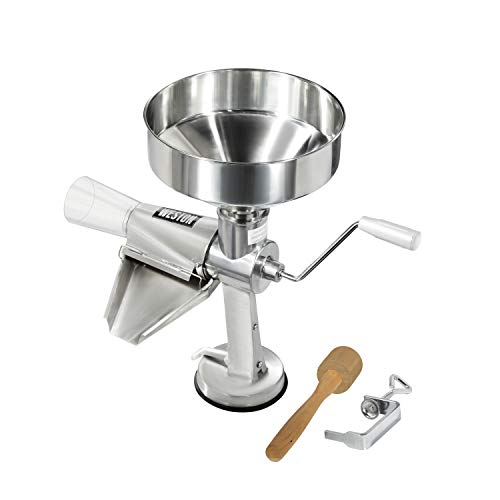
Stainless steel hopper. This tomato strainer and sauce maker features a 1 gallon hopper for processing large batches of fruits and vegetables without slowing down. It's great for making homemade jams and preserves, tomato sauce, purees, salsa and more.

Combining Thickeners for Best Results
While we all want our sauces to shine with the right consistency and flavor, combining different thickeners can make a big difference in achieving that perfect balance. For instance, using starch combinations like a flour-based roux mixed with cornstarch can provide stability and a glossy finish. We can also explore gum blends, such as xanthan gum paired with guar gum, which can enhance creaminess and improve mouthfeel. Remember, mixing these thickeners requires a little finesse—start small, whisk continuously, and add more as needed. Each thickener has its strengths, and when they work together, our sauces will truly shine. So, let’s experiment and discover the incredible textures we can create together in our kitchen!
Common Mistakes to Avoid
Many home cooks run into common hiccups when thickening sauces, but we can avoid these pitfalls with a little know-how. One big mistake is not pre-mixing our thickening agents, which can lead to unsightly lumps. Instead, let’s mix them with cold liquid first and add them gradually while stirring continuously for smooth sauce consistency. We should also be careful with our thickener quantities—too much or too little can ruin our sauces. And remember, patience is key; rushing the process can leave us with unappetizing textures. Finally, let’s not overlook our sauce base—proper preparation is essential for flavor. By focusing on these thickening techniques, we can create delicious, perfectly thick sauces every time!
Overcooking Starch Thickened Sauces
Overcooking starch-thickened sauces can be a real game-changer, and not in a good way! When we leave starches on high heat too long, we risk starch breakdown, leading to watery, gluey sauces that just don’t hit the mark. Yup, it gets messy! To avoid these overcooking techniques, let’s keep our heat consistent and gentle. Remember, adding starch late in the cooking process preserves its magic, while acidic ingredients can speed up degradation. It’s like a dance—stir constantly while keeping the temperature in check. If our sauce starts losing sheen, we realize we’ve overcooked it. So, next time we make a sauce, let’s pay attention and keep our thickening game strong! Enjoy every drop!
Tips for Whisking and Preventing Lumps
To whip up a smooth sauce without those pesky lumps, we’ve got to be on our game with whisking techniques. First off, let’s remember to whisk continuously as we add liquid, breaking up clumps early on. Start strong with some vigorous motion to incorporate air. A balloon whisk can work wonders for aeration too! You’ll want to add liquid gradually—about a quarter at a time—so we don’t overwhelm the roux. And don’t forget to avoid adding hot liquid directly to hot roux; that’s a recipe for lumps! If we stay steady with our whisking while cooking, we can keep those starch granules from settling. Trust us, these little tricks are key for effective lump prevention!
Selecting the Right Thickening Method for Your Sauce
When we think about thickening sauces, picking the right method can really make or break our dish. Let’s consider our sauce types and the thickening preferences we have. For rich, creamy sauces, a flour-based roux shines, adding flavor and depth. If we’re dealing with fruit sauces, tapioca starch gives that delightful chewy texture, while cornstarch provides a quick, glossy finish. For acidic sauces, arrowroot is our go-to, keeping things clear and true to flavor. Remember, a slurry calls for equal parts starch and cold water, so no lumps, please! Ultimately, let’s experiment with these methods—we’ll find the perfect match for our sauces, turning ordinary meals into delightful experiences. Happy cooking!
Recommended Products

Earthborn Elements Arrowroot Powder in a resealable bucket


Unpretentious Baker Arrowroot Powder is Non-GMO
Frequently Asked Questions
What Thickening Method Is Best for Gluten-Free Sauces?
For gluten-free sauces, we love using cornstarch for smoothness, arrowroot for versatility, and vegetable purees for natural sweetness. These gluten-free alternatives enrich our sauce texture and make every bite delightful and satisfying.
Can I Use Cornflour Instead of Cornstarch?
We can use cornflour instead of cornstarch, but we should know that cornflour’s thicker and cloudier. Understanding their starch differences helps us choose the right one for our dishes, ensuring perfect results every time.
How Do I Fix a Sauce That Became Too Thick?
You know that moment when our sauce turns into a paste? Let’s embrace sauce resolution together! For the perfect thickness adjustment, gently add broth or water, stirring until it dances back to life.
Can I Thicken Sauces Without Any Fat?
We can thicken sauces without any fat using sauce alternatives like vegetable purees. Blending ingredients like pumpkin or cauliflower not only adds body but also enhances flavor, creating a wholesome and satisfying dish together.
What Are the Signs of Overcooking Starch-Thickened Sauces?
When we overcook our starch-thickened sauces, we can notice symptoms like thinning, a gluey texture, and even an unpleasant taste. Starch breakdown leads to these telltale signs, reminding us to cook with care.