As an Amazon Associate, we earn from qualifying purchases. Some links on this site are affiliate links at no extra cost to you. Our recommendations are based on thorough research and editorial judgment.

How To Bake With Less Sugar?

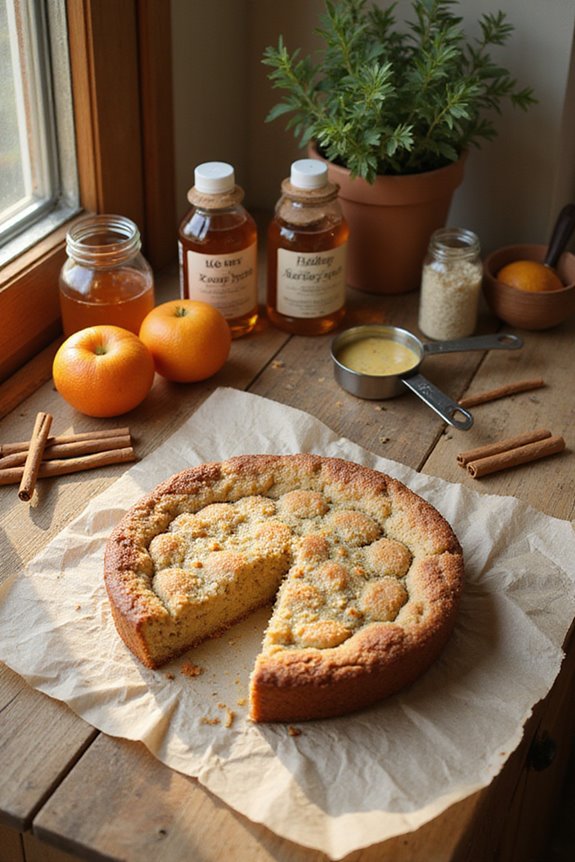
When we bake with less sugar, we can still whip up delicious treats! Start by reducing sugar by about 10-20% to keep flavors balanced. We can enhance sweetness perception with flavor boosters like vanilla extract, cinnamon, or citrus zest. Natural sweeteners, like stevia or fruit purees, work wonders too! Remember, cutting sugar affects texture, so keep an eye on moisture levels. If you stick with us, you’ll discover even more tips to perfect your low-sugar baking!
Key Takeaways
- Start by reducing sugar gradually, aiming for a 10% to 20% cut to maintain taste and texture.
- Use natural sweeteners like honey, maple syrup, or fruit purees to replace refined sugar and enhance flavors.
- Incorporate flavor enhancers like vanilla extract, spices, and citrus zest to improve sweetness perception without adding sugar.
- Pay attention to texture; monitor moisture levels and consider using fruit purees to maintain softness and prevent dryness.
- Conduct trial testing to find the right balance between sweetness and desired texture while reducing sugar in your recipes.
Understanding the Role of Sugar in Baking
You may be interested



Let’s plunge into the sweet world of sugar and its essential role in baking! Sugar chemistry is our trusty companion, helping transform simple ingredients into divine treats. Granulated sugar brings that classic sweetness, while brown sugar adds depth with its caramel notes. Have you ever tried frosting with confectioners’ sugar? It’s a game changer! The beauty of sugar doesn’t stop at sweetness—it’s all about baking science too. It locks in moisture, creating soft, tender cakes and cookies. Oh, and let’s not forget about caramelization! This magical process gives our brownies that rich flavor. So, as we bake, let’s cherish sugar’s many roles—it’s not just sweet but essential for delightful textures and lively colors. Additionally, using silicone baking mats can enhance the even heat distribution, leading to better-textured baked goods. Happy baking!
Impact of Reduced Sugar on Texture
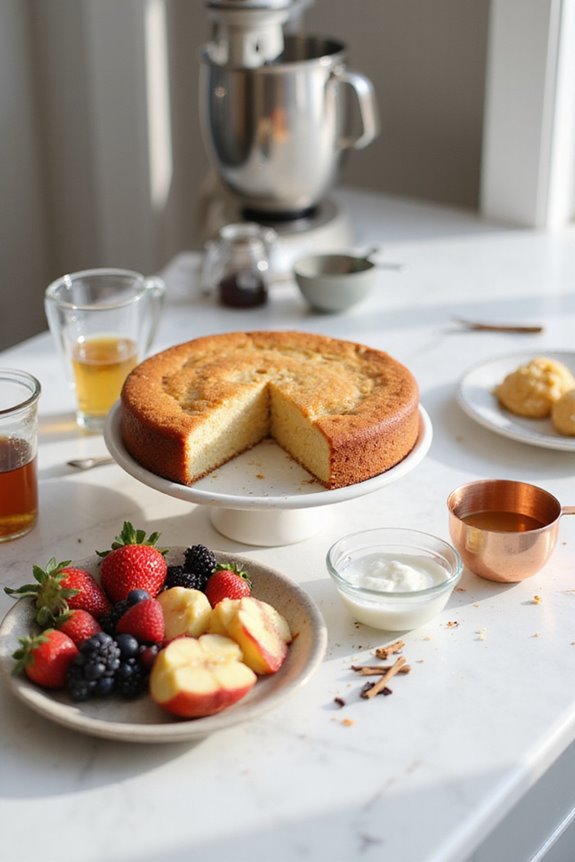
As we explore baking with less sugar, it’s important to understand how this adjustment influences the texture of our favorite treats. Reducing sugar can lead to dryness, making baked goods crumble and lose that delightful moisture we cherish. We need to pay attention to texture balancing and moisture management to keep our creations tender. Cookies, for instance, may end up thicker and denser, lacking that satisfying crispness. While chilling the dough can help a bit, we might still notice a change in texture. Don’t forget that sugar also affects browning, so our goodies might not look as pretty! By adjusting our approach, we can enjoy delicious baked treats without compromising too much on that beloved texture. Additionally, using air fryer liners can help create a non-stick surface that aids in maintaining moisture during baking. Let’s give it a try!
Flavor Enhancers to Compensate for Less Sugar
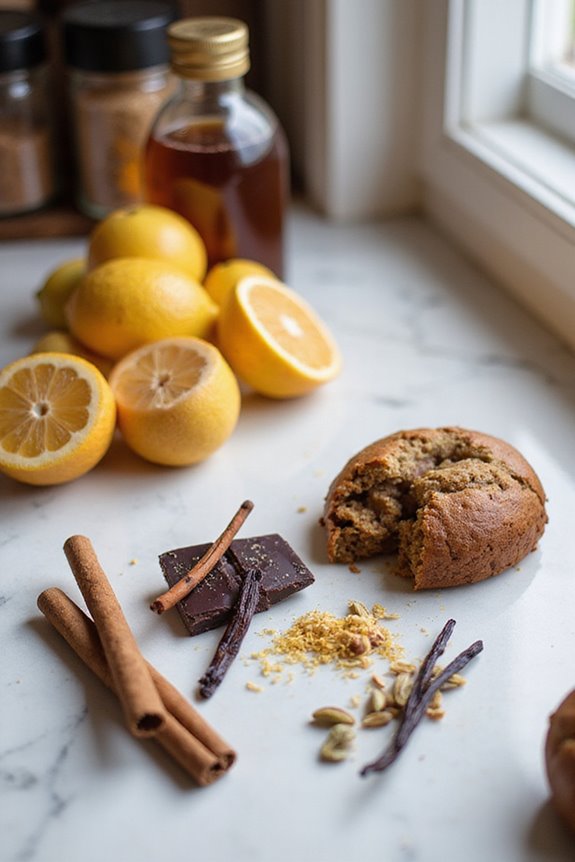
When we cut back on sugar in our baking, it can feel like we’re walking a tightrope, but don’t worry—we’ve got plenty of tasty tricks up our sleeves! One easy way to enhance flavor is by using flavor intensifiers. Vanilla extract, for example, can boost sweetness perception, especially if we double down on it. Spice combinations like cinnamon and nutmeg create warm, inviting aromas that can trick our taste buds. Let’s not forget about citrus zest; it adds brightness and makes even less sugar noticeable! Incorporating a bit of shredded coconut or almond flavoring can also provide a subtle sweetness. Additionally, using high heat resistance in your cooking methods can help achieve optimal flavor even with reduced sugar. So, let’s experiment with these flavorful additions and keep our baking on point, even with less sugar!
Experimenting With Natural Sweeteners
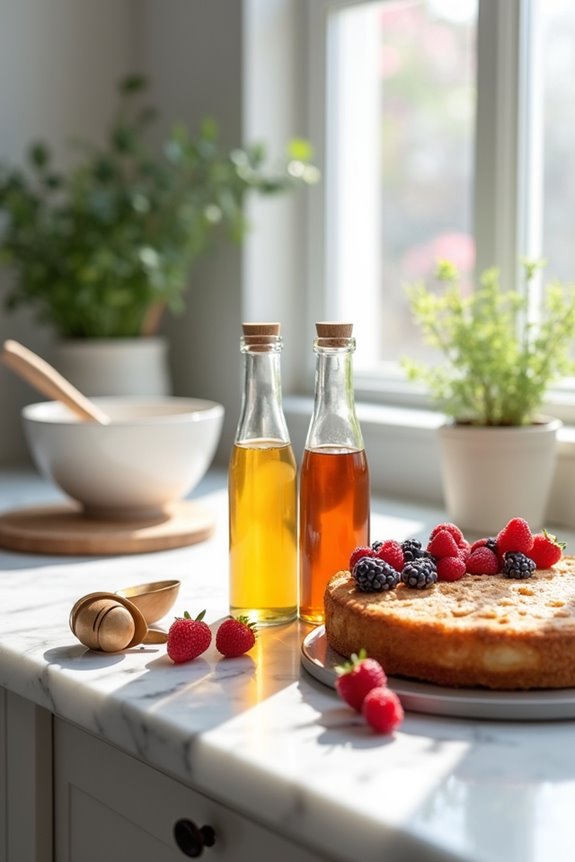
Although we all love a good sweet treat, experimenting with natural sweeteners can open up a world of delicious possibilities in our baking. We’ve found that options like stevia and monk fruit offer a guilt-free sweetness without adding calories. Allulose is another fantastic choice—it’s about 70% as sweet as sugar and helps with browning, just like the real thing!
Honey and maple syrup? They’re still crowd favorites for their rich flavors. And don’t overlook dried fruits, like raisins, which bring nutritional value along with their natural sweetness. Each of these natural sweeteners can be a wonderful baking alternative, but remember, they often require a bit of tweaking in your recipes. So let’s plunge into and explore these sweet game-changers! Juicing technology types can also inspire how we think about sweetening our baked goods with fresh fruit juices.
Using Fruit Purees as Sugar Substitutes
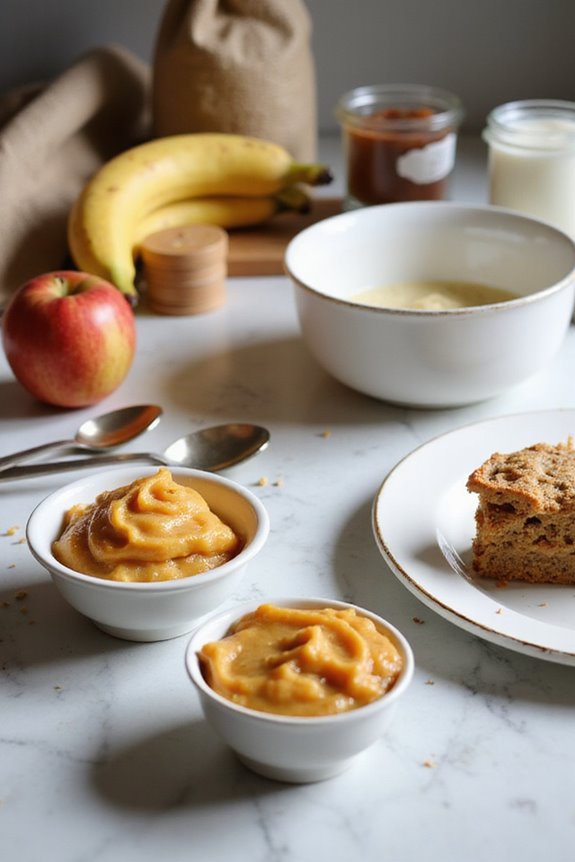
There’s something truly delightful about using fruit purees as sugar substitutes in our baking adventures! They offer natural sweetness and remarkable nutritional value, making our treats healthier and delicious. Think about using applesauce, banana, or pumpkin puree—each provides unique flavors for various recipes. For instance, banana puree adds smoothness to muffins, while pumpkin gives a warm spice to our fall pies. These fruit puree applications can reduce our use of refined sugar and fats, enhancing moisture and texture without sacrificing taste. Plus, they often have fewer calories than sugar! Additionally, using kitchen drawer organizers can help keep our baking tools neatly arranged, making the baking process even more enjoyable. So let’s get experimenting and taste-testing to find our favorite combinations; we’ll be amazed at how these purees can elevate our baking game while keeping it wholesome!
Adjusting Ingredient Ratios for Moisture Retention
Mastering the art of adjusting ingredient ratios for moisture retention can truly transform our baking experience. When we switch to lower sugar, keeping that moisture balance is key. We can start by increasing liquid ingredients like honey or milk, which not only add sweetness but help our baked goods stay soft and moist. If we’re using a higher fat content, don’t forget to tweak water ratios—fats can act a bit snooty, repelling water! We can also consider adding modified starches or hydrocolloids; a little can go a long way in keeping things tender. Remember, these ingredient adjustments can make all the difference, letting us enjoy delicious treats without all the sugar guilt. So, let’s bake thoughtfully!
Tips for Reducing Sugar in Cookies
Reducing sugar in cookies doesn’t have to mean sacrificing flavor or enjoyment; in fact, with just a few tips, we can create delicious treats that are lower in sugar yet still satisfy our sweet tooth. First, let’s explore sugar alternatives, like honey or maple syrup, which can help retain moisture and make our cookies chewier. We should also think about enhancing sweetness perception with spices like cinnamon or nutmeg to mask any blandness. Additionally, using tasty add-ins, like chocolate chips or dried fruit, boosts flavor without relying too much on sugar. Finally, let’s gradually reduce sugar by about 10-25%, allowing our taste buds to adjust while enjoying every bite. Happy baking! Let’s create healthier cookies together!
Sugar Substitution for Cakes and Muffins
When it comes to baking cakes and muffins, we can still whip up delightful masterpieces even with less sugar. Let’s explore sugar types and how to make substitutions. Liquid sweeteners like maple syrup or honey are fantastic options, but remember to cut back on other liquids a bit. For a fruitier flavor, mashed bananas or applesauce can lend natural sweetness without much fuss! If you’re keen on granulated alternatives, brown sugar and coconut sugar work 1:1 for a wonderful texture. We can also dance with sugar alcohols like erythritol, but they might need a bit of extra wetness for the perfect crumb. So, let’s get creative and enjoy sweet treats that are kinder to our bodies!
Timing and Monitoring for Optimal Doneness
As we plunge into low-sugar baking, it’s essential to keep an eye on timing and monitoring to achieve that perfect doneness. We need to adopt effective timing strategies and monitoring techniques, as color alone won’t cut it. Instead, look for visual cues like firmness and a slight pull away from the pan edges for those all-important doneness indicators. Remember to check the internal temperature—cakes typically need 200-210°F. A baker’s touch is invaluable, so consider texture changes too! We can’t ignore shelf life either; less sugar means our treats could dry out quicker. So let’s commit to trial testing, making temperature adjustments and careful observations until we nail that ideal baked bliss! Happy baking!
Understanding the Limits of Sugar Reduction
Let’s get real about baking with less sugar, because understanding the limits of sugar reduction is crucial if we want to achieve delightful treats without sacrificing taste or texture. Sugar plays many roles in baking science; it tenderizes our baked goods, helps with browning, and supports yeast activity. When we cut sugar by more than 30%, we risk tough textures and altered flavors. Reducing it by 50% or more? That’s a challenge—our recipes might need a whole new makeover! So, let’s keep these sugar chemistry principles in mind: make certain our treats don’t lose their sweetness or become dry. Embrace creative substitutes, but remember, a little sugar goes a long way in creating the delightful magic we crave.
Best Practices for Baking Frozen Treats
While we all love a sweet treat, we’re often looking for ways to enjoy our favorite frozen desserts without overloading on sugar. Let’s get creative with our frozen treats by using baking techniques that focus on natural sweetness! We can mix Greek yogurt with fruits like fresh strawberries or blueberries for delightful flavors and added nutrients. When we whip up no-churn frozen yogurt or popsicles, let’s rely on sugar-free fruit preserves for that perfect sweetness. And don’t forget a dollop of nut butter for richness! Remember, using simple tools like a cookie scoop helps portion our treats neatly. With these tips, we’ll enjoy our icy delights without the guilt—sweet success, right?
Techniques for Enhancing Flavor and Texture
Finding ways to enhance flavor and texture becomes even more important when we’re reducing sugar in our baked goods. We can achieve that texture balance by adding pureed fruits like bananas or prunes, which bring moisture without the extra sugar. A sprinkle of spices like cinnamon and nutmeg can add that much-needed flavor depth, making our treats feel sweeter in our mouths. Don’t forget to mix in some dairy or even use canola oil for tenderness! And hey, checking our baked goods a little earlier helps avoid that dreaded dryness. As we enjoy this journey, let’s not shy away from experimenting—a little creativity can lead to deliciously satisfying results. Let’s keep our baking fun and flavorful!
Considerations for Specific Baked Goods
When we’re cutting back on sugar, it’s essential to contemplate how that change affects different types of baked goods. For sweet breads, we can reduce sugar to about 10% of the flour weight without sacrificing structure. But we must consider texture adjustments, as less sugar can lead to a drier crumb and paler crust. With cakes and muffins, if we reduce sugar by more than 30%, we really need to think about adding bulking agents to maintain volume and tenderness. Cookies get cakier without sugar, so we’ll want to experiment with polyols to preserve that crunch. Remember, moisture management is key—using fruit purees or fibers can help us balance flavor and texture while keeping our bakes delicious!
Gradual Sugar Reduction Strategies
As we explore the world of baking with less sugar, it’s smart to tackle reductions gradually, so we don’t end up with baked goods that taste more like cardboard than cake. Let’s kick things off by trimming 10% to 20% of the sugar in our favorite recipes. This way, we can keep the taste and texture—nobody wants a dry cookie, right? Over time, we can aim for a one-third reduction, all while keeping an eye on how our creations behave. Remember, sugar alternatives can play a big role here too, helping with moisture retention and flavor. By adjusting slowly, we not only embrace baking chemistry but also give our palates a chance to adapt. Happy baking!
Frequently Asked Questions
What Are the Health Benefits of Reducing Sugar in Baking?
Reducing sugar in baking helps stabilize blood sugar levels and supports weight management. Together, we can create delicious treats that not only taste amazing but also positively impact our health and well-being. Let’s enjoy this journey!
Can I Use Artificial Sweeteners in My Recipes?
Imagine a sweet symphony of flavors! We can use artificial sweeteners as baking alternatives, but let’s experiment together. Their unique properties might change our treats’ texture, so balance is key for delightful results!
How Does Sugar Reduction Affect Yeast-Based Baked Goods?
Reducing sugar affects yeast fermentation and dough texture markedly. We’ll notice improved yeast activity initially, leading to better rise, but we may need to adjust our recipes to maintain the desired texture and flavor balance.
What Common Mistakes Should I Avoid When Reducing Sugar?
When reducing sugar, let’s avoid drastic cuts. Instead, we should use sugar substitutes gradually and guarantee we maintain taste balance. Small adjustments keep our baked goods delicious without compromising texture or flavor.
How Can I Encourage Others to Enjoy Lower-Sugar Baked Goods?
We can encourage others to enjoy lower-sugar baked goods by hosting taste testing events and sharing delicious recipe swaps. When they experience flavorful alternatives together, they’ll be more open to embracing these healthier choices with us.