As an Amazon Associate, we earn from qualifying purchases. Some links on this site are affiliate links at no extra cost to you. Our recommendations are based on thorough research and editorial judgment.

How To Reheat Food Properly?

To reheat food properly, let’s keep our meals safe and tasty! We should target at least 165°F, using a food thermometer to check. Microwaves are great for quick reheating, but remember to stir halfway through. Air fryers bring back that crispy texture, perfect for pizza! And don’t forget to cover dishes to lock in moisture. We can preserve flavors easily if we avoid unnecessary trips back and forth to the microwave. Let’s find out more ways to make reheating a breeze!
Key Takeaways
- Always reheat food to a minimum internal temperature of 165°F for 15 seconds to ensure safety.
- Use a food thermometer to confirm even heating, avoiding cold spots.
- Cover dishes while reheating to retain moisture and prevent drying out.
- Reheat only necessary portions to limit multiple trips and maintain food safety.
- Consume leftovers within 3-4 days or freeze any extras to prevent spoilage.
Understanding Proper Temperature Guidelines
You may be interested



When it comes to reheating food, understanding the proper temperature guidelines is key to keeping our meals safe and delicious. We’ve all been there, wondering if leftovers are still okay to eat. To keep bacteria at bay, we must remember that the temperature danger zone, which ranges from 41°F to 135°F, is where bad things happen. We need to heat our leftovers to at least 165°F for 15 seconds. Trust us, a good food thermometer is our best friend here! Keeping hot food above 135°F and cold food below 41°F will help us avoid any unwanted surprises. Additionally, using a thermometer with high accuracy ensures that we achieve the correct temperatures for safe reheating. So, let’s be diligent and enjoy those delightful leftovers without the worry of food safety lurking in the background!
Choosing the Right Reheating Method by Food Type
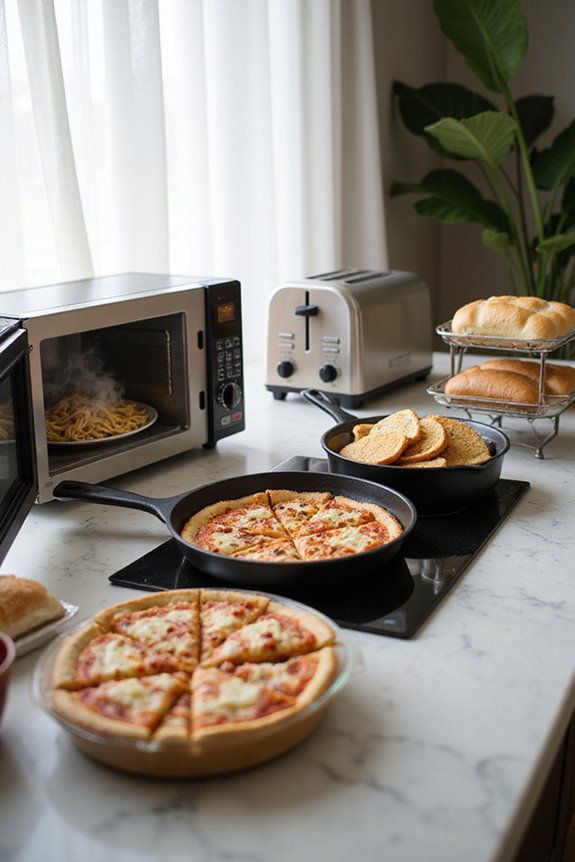
After we’ve nailed down those important temperature guidelines, it’s time to think about how we’re going to reheat our food. For pizza reheating, we love using the air fryer—it’s a game changer! At 400°F, our pizza comes out crisp in just 2 minutes. Seriously, who wants soggy crusts? For fried foods like chicken or mozzarella sticks, the air fryer works wonders too, restoring that golden crunch without any added oil. Remember to adjust your cooking times for thicker pieces—nobody likes burnt outsides! For meats, oven-wrapping in foil at 350°F keeps them moist. And don’t forget rice; adding moisture is key for fluffiness. Cast iron cookware can be great for reheating certain foods as well, enhancing flavor while ensuring even heat distribution. Let’s keep it delicious and safe while enjoying our leftovers!
Recommended Products

Reaching temperatures up to 750 degrees, Breville's Pizzaiolo countertop oven is the smart, indoor pizza oven capable of cooking authentic, wood-fired style pizzas in only two minutes; Experience bold, pizzeria flavor from your home kitchen

BUILT TO LAST: Engineered to handle the high heat needed to deliver restaurant quality pizzas, and made from stainless and Corten steel to withstand the elements in your backyard.

KoolMore Reserve Collection: Proudly part of the high-end KoolMore Reserve Collection, this 24 In. Microwave Convection Oven exemplifies luxury, style, and superior craftsmanship, making it a standout addition to any modern kitchen.
Microwaving Best Practices
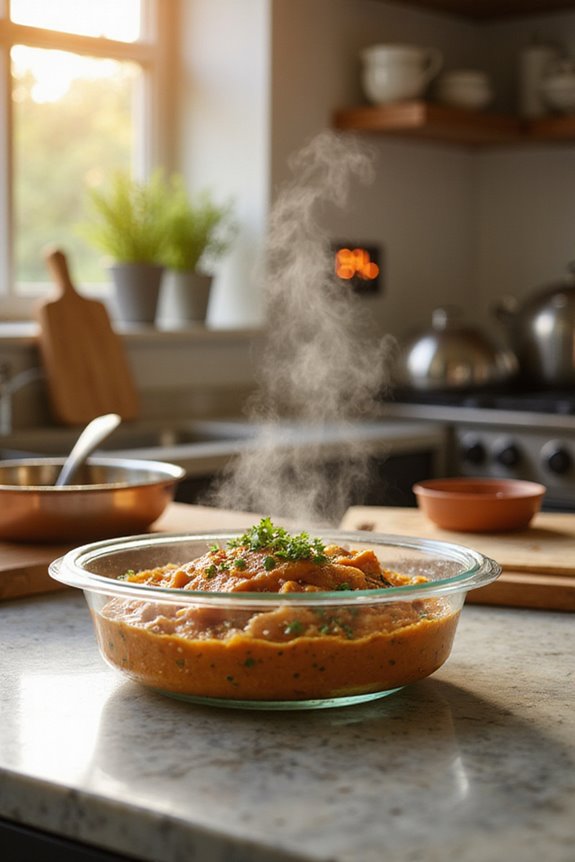
Microwaving food can feel like a mad scientist experiment, but it doesn’t have to be! To guarantee microwave safety, we need to choose the right cookware selection. Always use microwave-safe dishes like heatproof glass or microwave-safe paper. Avoid those trendy plastic wraps—nobody wants melted mystery goo in their meal!
When reheating, let’s aim for an internal temperature of at least 165°F for leftovers. Remember to stir or rotate our food halfway through; that way, we say goodbye to cold spots. Oh, and don’t forget to vent our covers to let steam escape—this prevents mini-explosions! Additionally, using the right grinding mechanism can enhance the flavor of your meals when seasoning. By following these simple practices, we can enjoy a delicious, safe microwaving experience, minus the lab coat!
Recommended Products

Expertly handcrafted in Poland by skilled artisans, each piece reflects generations of ceramic tradition, offering exceptional durability, authentic charm, and timeless beauty for your home.

KEEP YOUR FOOD FRESH: Look forward to leftovers with Caraway’s easy-to-store, non-toxic food storage containers. This set of six 10 cup glass containers was designed to be displayed and keeps your food fresh & organized.

KEEP YOUR FOOD FRESH: Look forward to leftovers with Caraway’s easy-to-store, non-toxic food storage containers. This set looks great and most importantly keeps your food extra fresh and organized.
Air Fryer and Toaster Oven Advantages
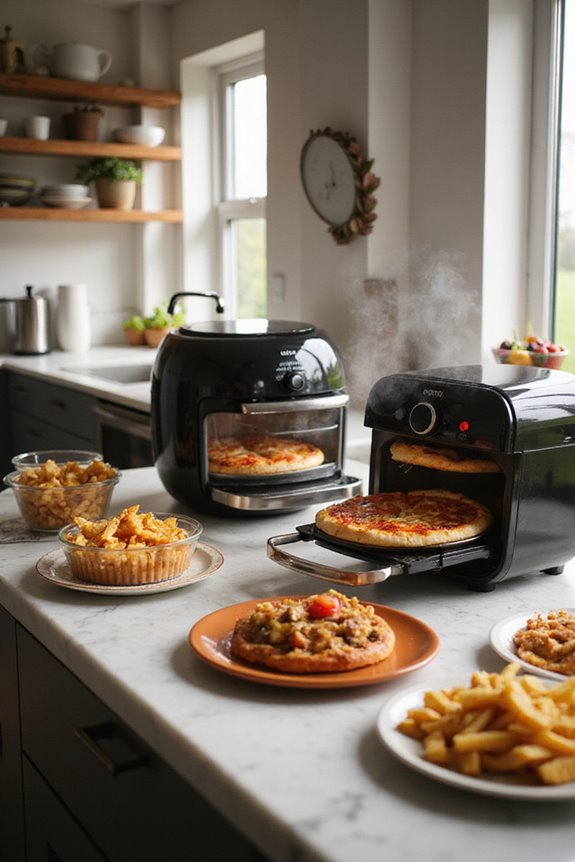
While deciding between an air fryer and a toaster oven can feel like choosing between a cozy blanket and a warm cup of cocoa, both appliances come with unique advantages that can elevate our cooking game. Let’s talk about air fryer advantages first: they heat up quickly, cooking our food to crispy perfection, often in less time than their toaster oven friends. Now, toaster oven benefits shine with their larger cooking capacity, making them a great choice for family meals or batch cooking. Plus, they offer versatile cooking functions! If we seek speed and that crunchy texture, air fryers might be our best bet, but for gentle, even heating and greater volume, a toaster oven’s our trusty companion. Additionally, both appliances can be beneficial for baking tasks, making them a valuable addition to any kitchen.
Recommended Products

[Air Fryer Oven Toaster Combo for Countertop] This all-in-one countertop air fryer oven toaster combo combines powerful steam cooking with convection and air frying, replacing multiple kitchen appliances while keeping food moist, tender, and flavorful

The Joule Smart Countertop Oven Air Fryer Pro is a connected countertop air fryer oven featuring 13 pre-set smart cooking functions; The Element IQ system steers power when and where it's needed for precisely cooked food that's crisp, juicy and flavorful

HIGH SPEED FAN, SUPERIOR RESULTS - 2024 newly designed and engineered fan and housing can produce 100% faster fan speed for quicker cooking and irresistibly crispier and golden-brown results.
Moisture Management to Preserve Texture and Flavor
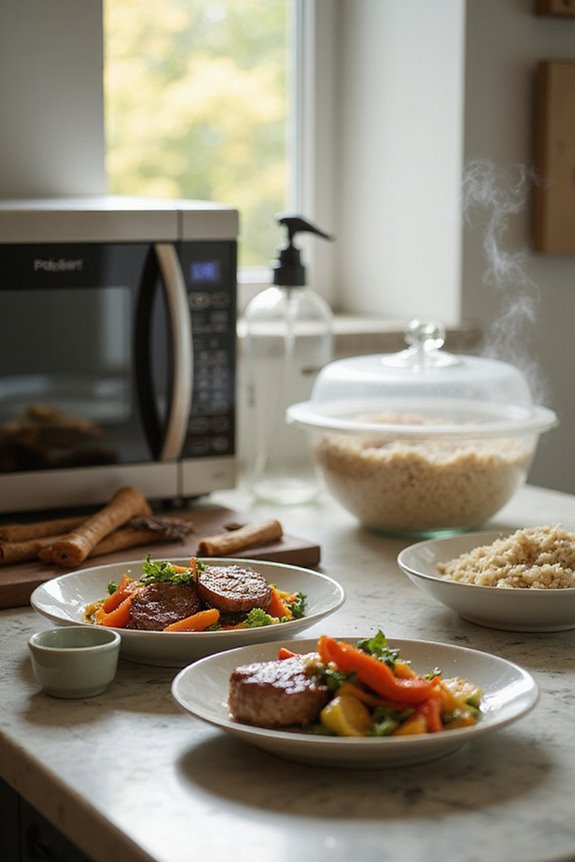
When it comes to reheating food, one crucial aspect we often overlook is moisture management. We’ve all experienced that sad dried-out chicken or mushy rice, right? To maintain moisture retention and guarantee texture preservation, we can start by covering our food. This traps steam and keeps things juicy. Adding a sprinkle of water or broth, especially for grains like rice, really helps too. For proteins, let’s make friends with sauces or gravies—they’ll keep our meals flavorful and tender. Remember, lower heat is kinder; it cuts down moisture loss. And hey, don’t forget to use vented lids in the microwave! Keeping things cozy helps our leftovers stay delicious, and we deserve tasty reheated meals. Additionally, using stainless steel trays can enhance your reheating process by ensuring even heating and preventing spills. Let’s savor every bite!
Recommended Reheat Times by Method
Getting reheating right is as important as managing moisture because it directly affects how our leftovers taste and feel. For oven reheat times, we can set our oven to 325°F–350°F, wrapping chicken in foil for 10–15 minutes until it’s warmed through. In the microwave, we need at least 15 seconds at 165°F for safety—don’t forget to stir! Through method efficiency, we can enjoy crispy air-fried chicken in just 5–7 minutes, while stovetop reheating takes about 5 minutes with broth to keep everything moist. Remember to monitor gently with steaming for 5-10 minutes, especially when handling delicate foods. Each method has its strengths; let’s pick the right one, and those leftovers will shine!
Recommended Products
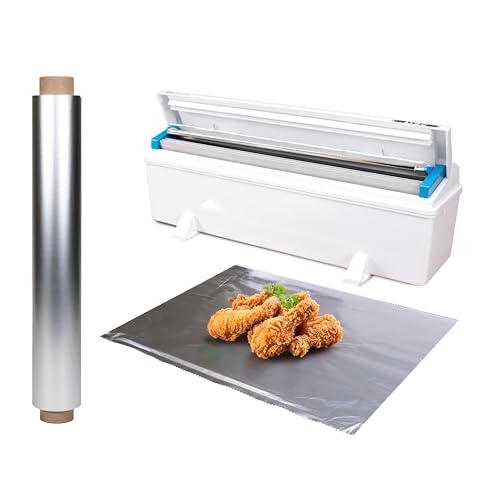
【PERFECTLY MATCHED PRODUCTS SET】 The set includes WP-180DA 18-inch FoilMaster Dispenser and Aluminum Foil Roll (18 inches wide, 500 feet long, 3 inches in diameter). Core size: 20 inches in length and 2 inches in diameter. Premium quality tin foil withstands high and sub-zero temperatures without losing its shape, cracking, or fracturing. The 100% food-safe, Kosher-approved foil wrap

Effortless Grilling Experience: With our non-stick bbq liner, enjoy grilling meats without them sticking, making cleanup a breeze while enhancing the taste and presentation of your barbecues.

Heavy Duty Aluminum Foil: Made from excellent quality, this foil is 25 Microns thick as well making it extremely durable. 18 inches wide and 525 sf, this foil roll will be long lasting and great to have around in the kitchen.
Tips for Safe Reheating of Leftovers
Reheating leftovers doesn’t have to be an intimidating task; we just need to know a few essential tips to keep our meals safe and delicious. First, let’s aim for that magic mark of 165°F (74°C) for at least 15 seconds. Using a food thermometer can be our best ally in ensuring every bite warms evenly. And remember, portion control is key—don’t reheat more than you need, as leftovers shouldn’t get a second trip through the microwave! Covering our dishes while reheating helps keep moisture in, preventing that sad, dry food experience. Finally, let’s make sure we enjoy our meals within 3-4 days and freeze extras to maintain leftover safety. Together, we can make every meal a winner!
Common Mistakes to Avoid When Reheating Food
Have you ever wondered why some reheated meals taste like they were freshly made while others seem to fall flat? We’ve all made mistakes, like using inappropriate methods. Microwaving fried foods? Let’s skip that; use an oven or air fryer for that crunchy goodness instead. And don’t forget about container selection. Always choose microwave-safe dishes—plastic can be questionable!
Leaving food in the danger zone for too long is a no-go; it invites unwanted bacteria. Stirring or covering our food helps heat it evenly, avoiding cold spots. If it’s frozen, thaw it first for the best results. By being mindful of these common pitfalls, we can transform our leftovers into delicious meals we’ll truly enjoy!
Frequently Asked Questions
Can I Reheat Food Multiple Times Safely?
We can safely reheat food, but it’s best to do it only once to prevent flavor loss and guarantee safety. Let’s embrace the idea that enjoying our meals fresh enhances our overall experience together.
How Can I Tell if Food Is Reheated Properly?
To tell if food’s reheated properly, we check its internal temperature, ensuring it’s steaming hot throughout. We also pay attention to food texture, ensuring it feels consistent and warm, with no cold spots.
Are There Foods That Should Never Be Reheated?
We should steer clear of reheating mushrooms; their safety can diminish rapidly. Similarly, rice can harbor bacteria that resist heat. Let’s embrace fresh meals together, ensuring our table remains a haven of safe, joyful nourishment.
Is It Safe to Leave Reheated Food Out?
No, it’s not safe to leave reheated food out at room temperature for too long. We should always prioritize food safety to avoid bacteria growth that can lead to illness. Let’s enjoy our meals safely together!
Can I Reheat Food in Plastic Containers?
We can reheat food in plastic containers, but let’s make certain they’re labeled microwave safe. It’s crucial to check container types to minimize risks. Together, we can keep our meals delicious and safe for us!