As an Amazon Associate, we earn from qualifying purchases. Some links on this site are affiliate links at no extra cost to you. Our recommendations are based on thorough research and editorial judgment.

How To Create A Family Cookbook?

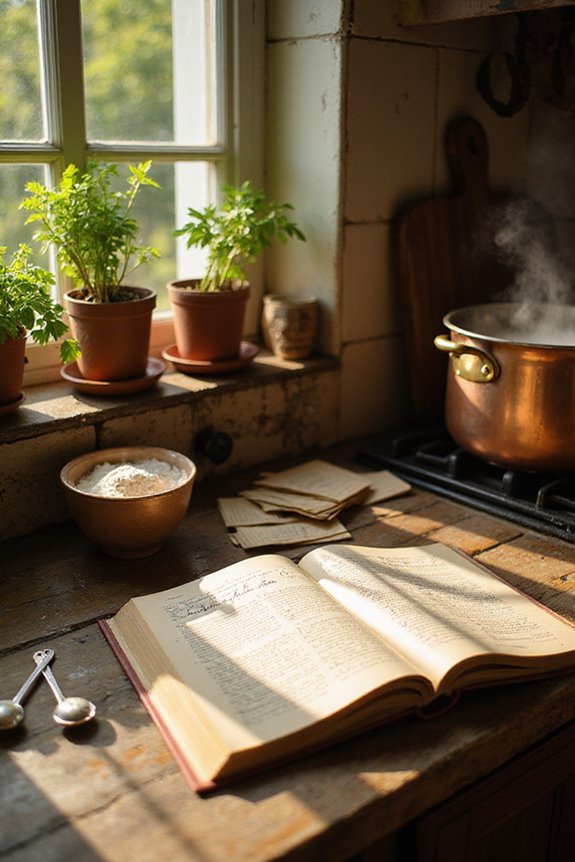
Creating a family cookbook is a fun and meaningful project that unites us through cherished recipes. First, we define our goals—preserving traditions or sharing memories. Next, we gather recipes from family members and choose a consistent format for clarity. Organizing our cookbook with categories makes navigation easy. Don’t forget to sprinkle in anecdotes that add warmth! By following these steps, we’ll craft a delightful cookbook that celebrates our family’s culinary heritage. Let’s explore how to get everyone involved!
Key Takeaways
- Define the purpose of your cookbook to preserve heritage and strengthen family bonds through shared stories and recipes.
- Engage family members by collecting cherished recipes and scheduling discussions to enhance participation and collaboration.
- Organize recipes into easy-to-navigate categories, using clear formatting for titles, ingredients, and step-by-step instructions.
- Incorporate personal anecdotes and family stories alongside recipes to create emotional connections and celebrate shared traditions.
- Choose a distribution format, whether printed or digital, and finalize designs that include family photos for a meaningful gift.
Defining the Purpose of Your Cookbook
You may be interested



When we think about creating a family cookbook, it’s important to first define its purpose. By defining our cookbook goals, we can establish family values that resonate through every recipe. Is our aim to preserve culinary heritage, strengthen our bonds, or document cherished memories? This clarity helps guide our recipe selections, transforming them into stories that represent who we are. Cooking together invites collaboration and sparks conversations, bridging generational divides with a dash of laughter. Plus, when we cook our loved ones’ favorites, we create lasting connections. So, let’s plunge into this delicious journey and contemplate what matters most. After all, our cookbook will be a heartfelt gift that keeps our traditions alive for generations to come! Additionally, incorporating mini spatulas can simplify cooking tasks, making it easier to prepare and share beloved family recipes.
Collecting Recipes From Family Members
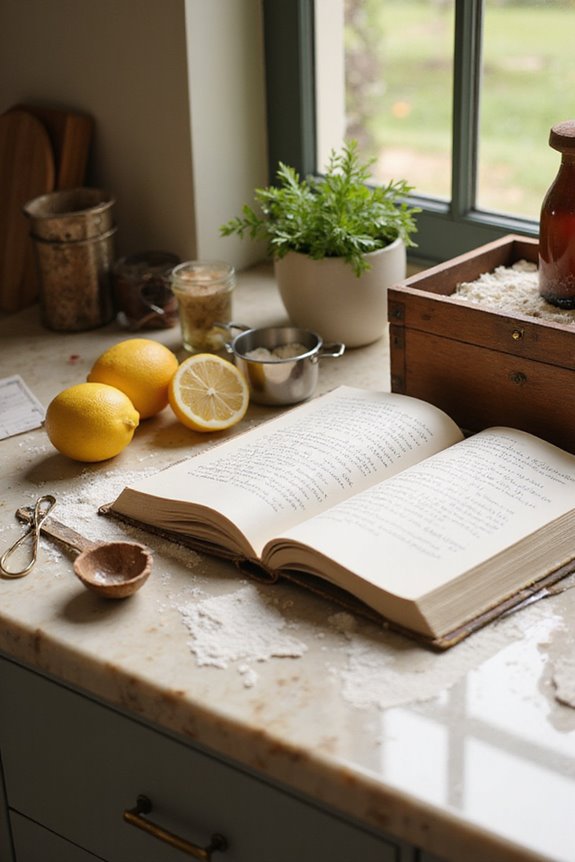
Now that we’ve thought about our cookbook’s purpose, it’s time to gather the recipes that will make it truly special. Let’s kick off our recipe gathering by identifying those cherished, perhaps endangered recipes from our family. Maybe we can create a “most wanted” list together, sharing it with family members to highlight just how important this project is. Scheduling specific times to meet up for recipe discussions can really help, too. Think about turning these meetings into family bonding events; we can share stories while cooking! And don’t forget to explore community cookbooks for hidden gems. Everyone’s contribution counts, so let’s gently nudge those willing family members—we promise we’ll make it a fun experience! Incorporating multi-functional use cases into our recipe discussions can inspire creativity in how we prepare and serve our family favorites.
Recommended Products


HARD COVER - these two-tone hardcover journals with Wavy Design offer a double loop spiral, inside cover pocket matching pen and 80 pages.

PUNCH PERFECT SQUARE HOLES WITHOUT MEASURING: Bind any size project using alignment pegs and customizable hole-punch knobs. Hole pitch: 2:1
Choosing a Consistent Format for Recipes
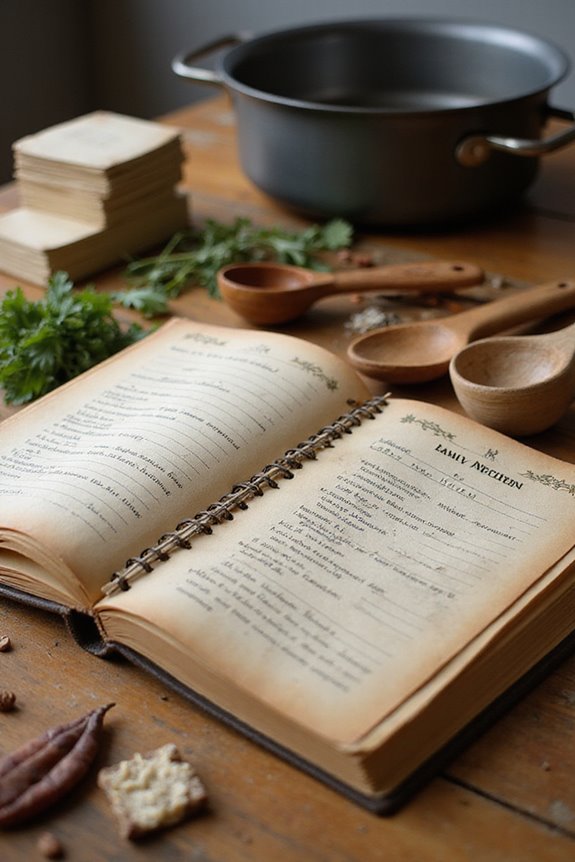
How can we make sure our family cookbook is both easy to use and delightful to read? Choosing a consistent recipe format is key! Let’s think about using a standard layout: a clear recipe title, a uniform ingredient list, and numbered step-by-step instructions. This isn’t just about looks; it boosts our user experience, ensuring everyone can engage and cook with confidence. We can also add total preparation times and sections for tips or family stories. Maintaining consistent fonts and spacing will make things feel organized and friendly. And remember, sticking to one measurement system helps prevent confusion. So, let’s create a delightful, user-friendly cookbook that makes it easy for all of us to get cooking together! Additionally, we might consider including various designs that reflect our family’s unique culinary heritage, making each recipe even more special.
Structuring Your Cookbook for Easy Navigation
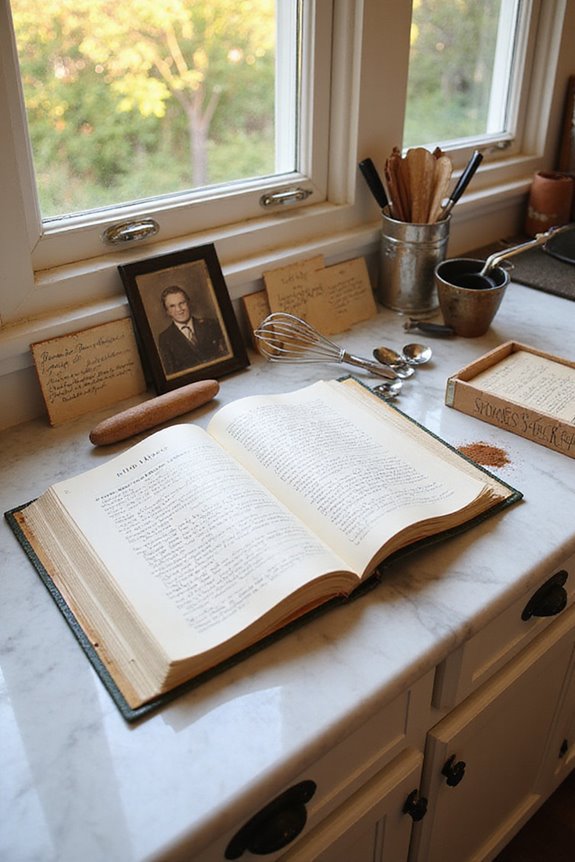
Crafting a family cookbook isn’t just about gathering recipes; it’s about making them easy to find and enjoyable to use. One way to achieve this is through thoughtful recipe organization and category selection. Consider a traditional structure like appetizers, main dishes, and desserts, or go modern with unique categories reflecting how we actually cook, like brunch or vegan dishes. Alphabetizing recipes within these categories can simplify navigation. Don’t hesitate to personalize it by grouping recipes by family member, celebrating our culinary lineage. A well-organized table of contents is essential for quick access, so update it as we add new treasures. Incorporating visual aids like photographs can enhance the overall cooking experience and motivate family members to try new recipes. Let’s create a cookbook that’s a breeze to navigate, leaving plenty of room for delicious memories!
Incorporating Anecdotes and Family Stories
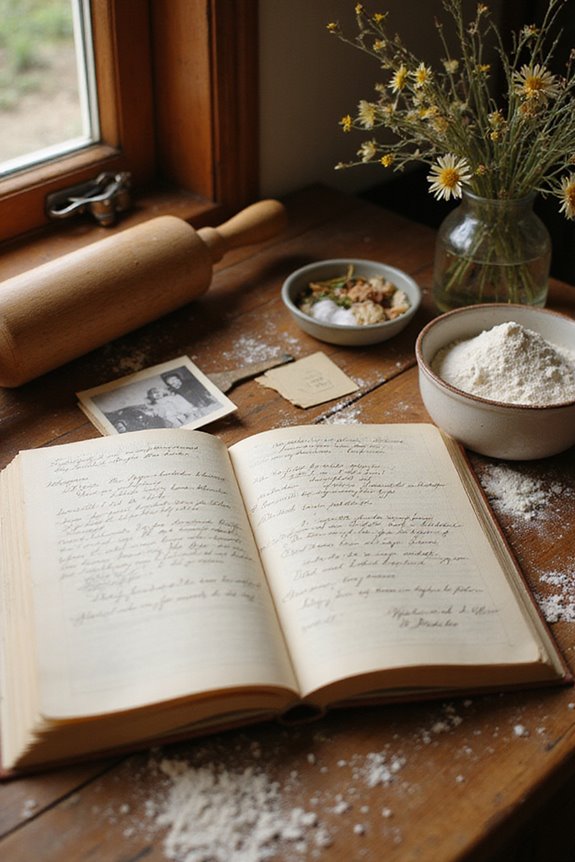
Incorporating anecdotes and family stories into our cookbook not only spices up the recipes but also serves as a warm reminder of the memories we’ve created around the dinner table. First, let’s think about anecdote selection; snippets from family gatherings make each dish come alive. Using memory prompts, we can jog our collective memories about family traditions tied to recipes. How about integrating photos of our loved ones cooking or enjoying their meals? This photo integration enhances emotional connections and brings narrative cohesion. We’ll also explore the recipe evolution through the years, adding depth and cultural significance. Additionally, incorporating baking tips can provide practical guidance for the next generation of cooks. So, let’s encourage family engagement by gathering quotes and stories that enrich our cookbook—after all, it’s about celebrating our shared history!
Selecting Recipes for Inclusion
As we celebrate our family stories through memories and laughter, it’s time to shift gears and focus on the heart of our cookbook: the recipes themselves. Selecting recipes isn’t just about filling pages; it’s about creating a treasure trove of our family’s culinary heritage. Let’s understand our recipe criteria: do we want to highlight beloved holiday dishes, or perhaps those cherished childhood favorites? As we initiate this inclusion process, it’s essential to gather contributions from various family members, ensuring a rich mix of flavors and traditions. We should pay attention to practicality too—think serving sizes and cooking times—so every family member can feel confident trying these dishes. Let’s make our cookbook a delicious bonding experience!
Recommended Products


LIFETIME JOURNAL - This 100-year, 1000+ page hardcover diary is a true heirloom. Its robust fabric material bound cover encases versatile lined and blank pages, thoughtfully designed with ample space for photos and memorabilia, creating a stunning, durable notebook for a lifetime of memories.

MULTIFUNCTIONAL Natural Birch Plywood: The cover is birch plywood, lending the blank recipe book a beautiful rustic aesthetic. Due to its natural origin, the wood's color may vary slightly.
Standardizing Measurements and Instructions
When we plunge into standardizing measurements and instructions, we’re not just tidying up our recipes; we’re ensuring that each dish comes out just right, every time we whip it up. We’ve all been there—an unclear recipe can leave even the most seasoned cook scratching their head! By focusing on measurement consistency and instruction clarity, we can turn our treasured family recipes into reliable treasures. Let’s convert everything into a single measurement system; nobody wants to guess what a “scant cup” really means! Additionally, let’s specify cooking times and equipment to avoid culinary mishaps. Remember, detailed instructions and precise ingredient lists keep our family flavors alive while making cooking less intimidating! So, let’s embrace this journey together, one recipe at a time!
Recommended Products

Superior engineering, solid craftsmanship and uncompromising attention to detail stand out on every SnoWizard SnoBall Machine.

RESTAURANT EQUIPMENT MADE IN USA – HOODMART products are made in America and engineered for optimum performance. NSF Approved and UL Listed. Backed by a 2-year warranty.

Easy Touch Automatic Drawer System Smoothly Opens and Enables Hands-Free Close
Designing for Engagement and Readability
Designing our family cookbook for engagement and readability isn’t just a style choice; it’s a way to make cooking feel like more than just a task. We should limit font selection to two types: a classic serif for our stories and a clean sans serif for the recipes. This contrast enhances clarity, making it easier to follow along while cooking. Our layout design needs to be tidy and balanced, ensuring that images and text work together seamlessly. Consistent photo placements and neutral palettes will keep readers focused on our delicious memories. Adding personal anecdotes connects us further, reminding everyone why these recipes matter. With thoughtful design, we’re creating more than a cookbook; we’re preserving our history.
Planning Technical and Production Details
Creating a family cookbook is an exciting journey, and we’ve got to get the technical details just right to bring all those memories to life. Let’s start by using a clear recipe template—consistency is key here! Each recipe should have precise measurements, prep times, and serving sizes. As we’re testing recipes, we must cook them exactly as written to assure they’re delicious and reproducible. Don’t forget to add beautiful photos—they’ll draw readers in! We can use icons for quick references, too. And while we’re at it, let’s plan a logical table of contents with fun categories. Finally, consider how we’ll print and share our cookbook; whether it’s digital or physical, every detail matters for those cherished family moments.
Recommended Products

![Rare Julia CHILD 1st edit/1st print The Way to Cook First Edition 1989 [Hardcover] Cooking) CHILD, Julia [Hardcover] Cooking) CHILD, Julia](https://m.media-amazon.com/images/I/41U-QQDJNjL._SL500_.jpg)

Used Book in Good Condition
Managing Challenges in Recipe Collection
While gathering recipes from our family, we often run into a few bumps along the way. Emotional sensitivities can crop up when asking for those cherished signature dishes. Some family members may hesitate to share, fearing competition or cherished memories tied to certain recipes. So, let’s use gentle encouragement to ease their minds. We’ll likely find multiple recipe variants, each with differing ingredients or methods, and testing these in our kitchen helps us pinpoint the best ones. Setting up organization systems early on will keep things manageable as we navigate these challenges. When we approach this project with legacy motivation, it can encourage everyone’s participation, making our cookbook a heartfelt family treasure. Let’s enjoy the journey together!
Ensuring Usability and Practicality
To guarantee our family cookbook is as practical as it is beautiful, we’ve got to think about how it’ll be used in the kitchen. Let’s focus on user experience, ensuring easy navigation with a thoughtful layout design. Organizing recipes by categories, like appetizers and entrees, enhances ingredient organization and speeeds up meal prep. We should standardize our recipe formatting, providing clear instructions and cooking tips to avoid confusion. Visual appeal’s key, too! Beautiful photos inspire us to cook. Then, let’s personalize elements, sharing family traditions and stories that make each recipe special. For durability, consider ring binders or laminated pages for print copies. Together, we can create a cookbook that’s both functional and a treasure of our culinary heritage.
Engaging Family Members Throughout the Process
Engaging family members in the cookbook creation process can feel like herding cats—challenging but oh-so-rewarding! To make it work, let’s set clear, achievable goals. Start with family surveys to gather recipes that might be at risk of being lost, especially those from our older relatives. This keeps everyone invested. We can set up fun recipe contests to spark creativity; who doesn’t love a little friendly competition? Remember, breaking the project into manageable milestones helps prevent overwhelm. Using an online platform is a breeze—participants can submit recipes with personal touches effortlessly! Let’s celebrate each small victory together, whether it’s gathering a beloved dish or sharing a cherished memory. Together, we’ll create something truly special!
Distributing Your Finished Cookbook
Having gathered all those precious recipes and memories, the moment has come to share our finished family cookbook with everyone involved. We can choose between printed copies or handy digital formats, depending on our family’s preferences. For those who love the tangible feel of a book, professional printing services let us order as many copies as we need. We can even bind them at home for that personal touch! Let’s consider gifting these cookbooks at family gatherings or special occasions—they’ll make lovely keepsakes. To guarantee everyone’s covered, we could offer pre-orders. Don’t forget to highlight cookbook themes through the design and include some family photos that tell our story. It’s all about sharing love, after all!
Recommended Products


Frequently Asked Questions
How Do I Choose a Title for My Family Cookbook?
Choosing a title for our family cookbook’s easier than it sounds! We can draw title inspiration from cherished memories, unique cookbook themes, or beloved recipes. Let’s capture our family’s essence and flavor together.
Should I Include Nutrition Information for Each Recipe?
Yes, we should include nutrition information for each recipe. It’s a way to embrace nutritional benefits while acknowledging our recipe variations. Let’s help our loved ones make healthier choices without losing the love and tradition behind our meals.
Can I Add Recipes From Family Friends or Neighbors?
Absolutely, we can add recipes from family friends and neighbors! These recipe contributions enrich our collection with community flavors. Let’s honor their generosity by sharing their stories, making our cookbook even more special together.
How Can I Preserve the Cookbook for Future Generations?
Like a cherished garden, we can nurture our cookbook through digital preservation and thoughtful recipe archiving. By scanning, storing, and sharing, we’ll cultivate family traditions for future generations, ensuring our culinary legacy thrives.
What Are Some Creative Ways to Distribute My Cookbook?
We can distribute our cookbook creatively through digital methods like email and cloud storage, ensuring personalized copies for everyone. Let’s also consider heartfelt gatherings where we share physical copies, making lasting memories together.