As an Amazon Associate, we earn from qualifying purchases. Some links on this site are affiliate links at no extra cost to you. Our recommendations are based on thorough research and editorial judgment.

How To Add Vegetables To Picky Meals?

We’ve all been there—trying to sneak veggies into picky meals can feel like a challenge! One fun way is to spiralize veggies like zucchini or carrots into noodles. We can also swap regular rice for cauliflower rice; it’s low in carbs and high in fiber! Another trick is to finely grate vegetables and mix them into meatballs or sauces. Kids love creative presentations, so let’s make veggie art or colorful plates! Stick with us to explore more tasty ideas!
Key Takeaways
- Use finely grated vegetable mixes in familiar dishes like meatballs or tacos to sneak in nutrition without detection.
- Get creative with veggie art by arranging vegetables into fun shapes to make meals visually appealing for picky eaters.
- Involve kids in cooking by assigning age-appropriate tasks, fostering pride in their creations, which can lead to increased vegetable acceptance.
- Host tasting sessions and gradually introduce new vegetables, allowing children to explore flavors and textures at their own pace.
- Experiment with vegetable pizza crusts or vegetable noodles to provide healthier alternatives while satisfying cravings for familiar meals.
Creative Vegetable Noodles
You may be interested



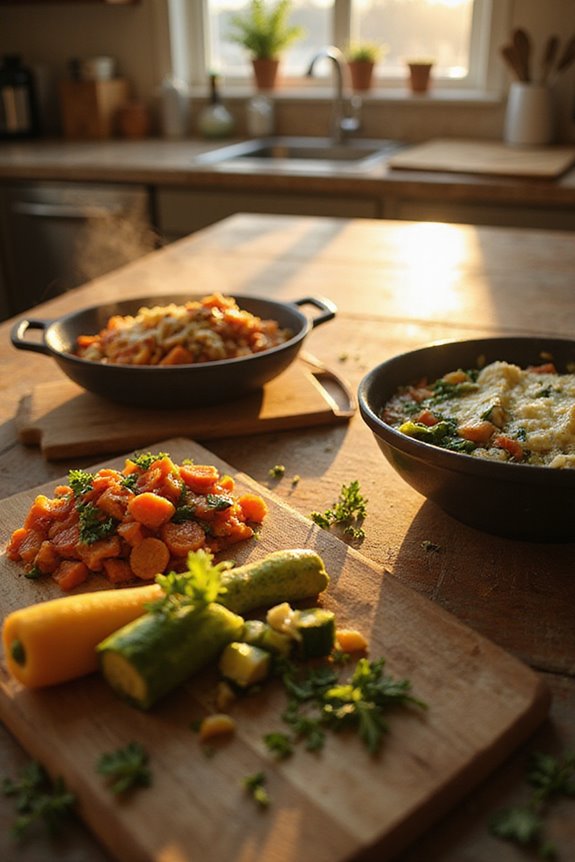
When we think about getting our kids to eat more vegetables, creative vegetable noodles can feel like a game changer! Using spiralizer techniques, we can transform ordinary veggies like zucchini, carrots, and sweet potatoes into fun noodle shapes that are hard to resist. Imagine a colorful presentation bursting with vibrant greens, oranges, and yellows—perfect for grabbing their attention at mealtime!
We can mix and match different veggies for variety, and don’t forget to use spiralizers or julienne peelers for those perfect noodle shapes. Whether tossed in a warm stir-fry or chilled in a salad with a zesty dressing, these veggie noodles are sure to win over even the pickiest eater. Additionally, using high-quality stainless steel tools like spiralizers ensures durability and consistent results. Let’s bring some excitement to dinner!
Cauliflower Rice as a Substitute
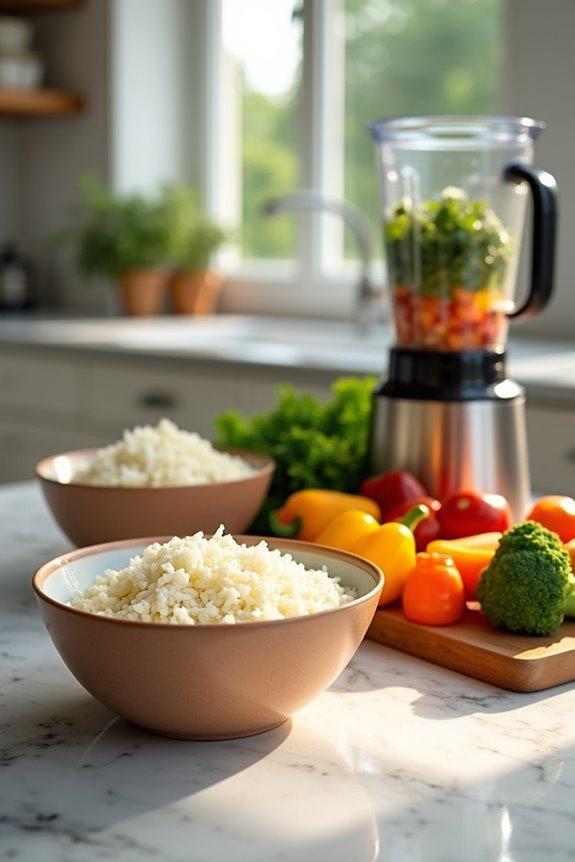
If you’re looking to sneak more veggies into your meals without your kids even noticing, cauliflower rice might just be your new best friend! This versatile substitute packs in fewer calories and carbs than traditional rice, so we can enjoy our favorite cauliflower recipes guilt-free. Plus, it’s high in fiber and vitamins—perfect for supporting digestion and overall health.
We can whip up easy meals by sautéing it quick; it absorbs flavors beautifully while maintaining a pleasant texture. Whether we’re making stir-fries or grain bowls, cauliflower rice blends in seamlessly, making it easier for our picky eaters to embrace those extra veggies. Additionally, using multiple size options for your serving bowls can help create visually appealing portions that entice kids to try something new. So, let’s give it a try and see how it transforms our mealtime adventures together!
Vegetable Pizza Crusts
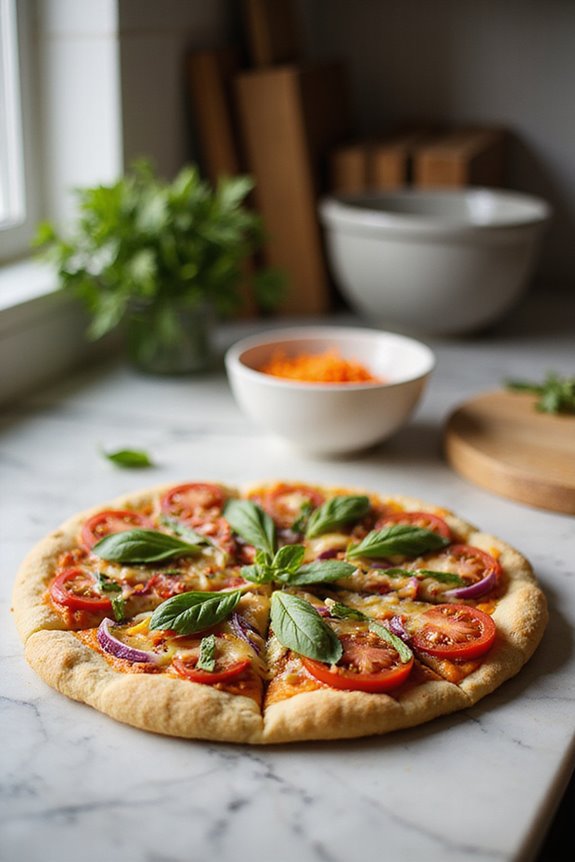
Let’s plunge into the delicious world of vegetable pizza crusts! These tasty alternatives not only satisfy our pizza cravings but also pack a nutritious punch. Vegetable crusts, like cauliflower or zucchini, are lower in calories and carbs compared to traditional options, making them perfect for anyone watching their intake. Plus, they come with gluten-free options for friends with dietary restrictions! By incorporating fiber and protein, these crusts help keep us fuller longer. We can even mix veggies for added flavor and nutrients! Just remember, moisture control is key to avoid sogginess—nobody wants a wet pizza! So, let’s get creative in the kitchen and explore these scrumptious pizzas that make adding vegetables to our meals fun and easy! Additionally, using mesh designs in air fryer baskets can enhance cooking performance by promoting even heat distribution for our pizza creations.
Finely Grated Vegetable Mixes
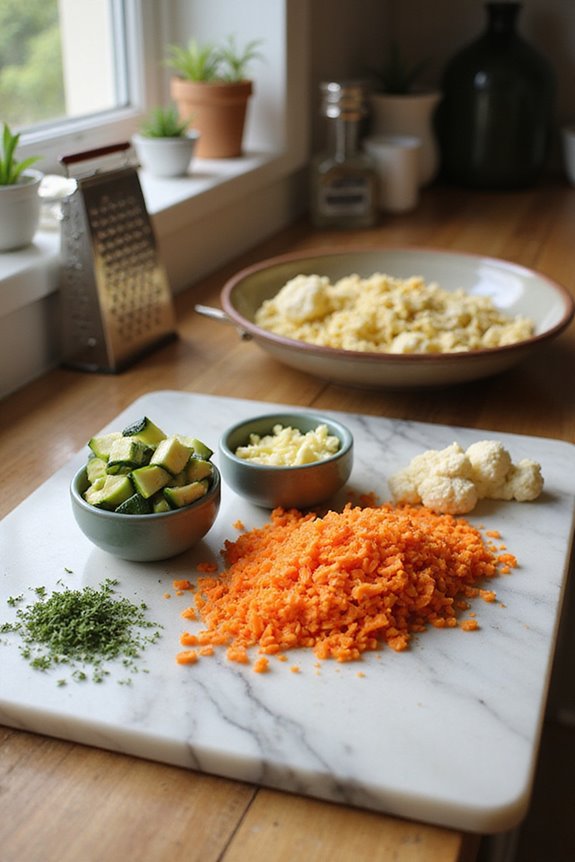
After experimenting with vegetable pizza crusts, finely grated vegetable mixes are a fantastic way to sneak in some nutritious goodness into picky meals. These mixes retain essential vitamins like A, C, and E, so they’re a powerhouse for our health. When we finely grate veggies, it boosts nutrient retention and makes everything easier to digest. Imagine slipping grated carrots into meatballs or zucchini into tacos—no one will even notice! Plus, they add a burst of color while keeping meals light at around 16.5 calories per cup. Let’s combine different veggies to maximize our nutrient intake and keep things fresh. So, grab those graters! It’s a simple, sneaky trick that’ll have everyone craving more veggies in no time. Additionally, using a multi-functional egg cooker can help you prepare eggs alongside your vegetable mixes, enhancing the overall nutritional profile of your meals.
Enhancing Sauces and Soups
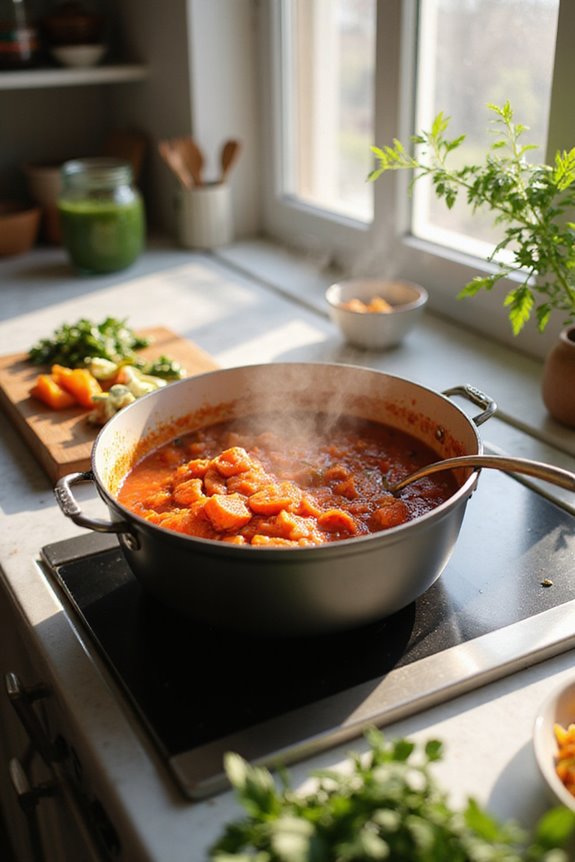
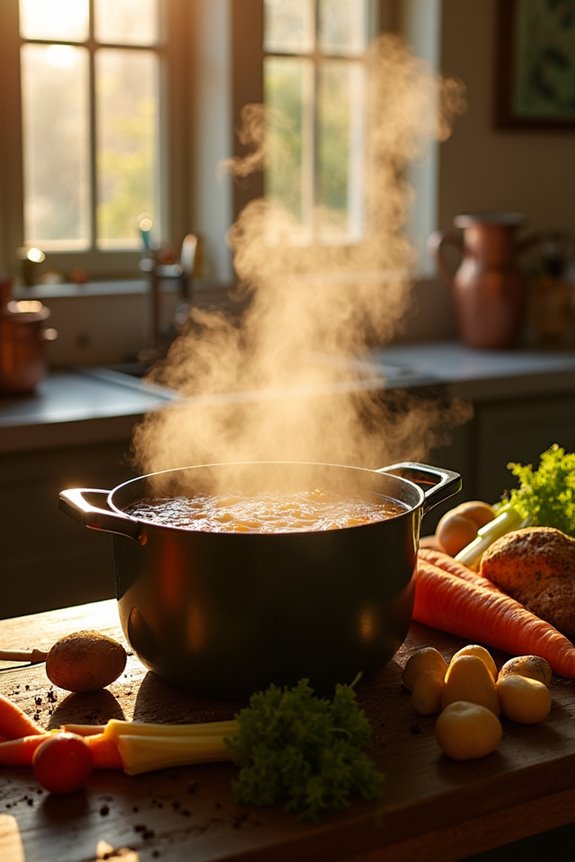
When we think about enhancing our sauces and soups, it’s easy to overlook how a few extra ingredients can completely transform a dish. Let’s sprinkle in some umami ingredients like tomato paste, miso, or mushrooms to elevate the flavor game. Trust us, a dash of soy sauce can make a world of difference without tasting too ‘vegetable-y’!
And don’t forget those spice techniques; toasting dried herbs like thyme or smoked paprika kicks up the flavor profile nicely. A pinch of red pepper flakes adds a touch of warmth that can mask any bitterness from veggies. With these simple additions, we can say goodbye to bland meals while still keeping our veggie intake high—and who doesn’t love that?
Kid-Friendly Vegetable Choices
Finding ways to sneak more veggies into our kids’ meals can feel like a game of hide-and-seek—except we’re the ones hiding the vegetables! Let’s embrace colorful vegetable varieties that are kid-approved, like sweet carrots and vibrant sweet potatoes. These red and orange veggies make up about 75% of what our kids chow down on, thanks to their sweet flavors and appealing appearances. We should also consider starchy options like potatoes that kids love, especially in familiar forms like mashed or fries. By mixing in engaging vegetable flavors like cooked corn or tender spinach, we can keep mealtime exciting. Remember, including a variety of veggies not only boosts their intake but also encourages our little ones to explore new tastes! Additionally, using baking molds can help shape vegetables into fun forms that entice kids to eat more.
Strategies for Increasing Acceptance
Although it can sometimes feel challenging to get kids to accept vegetables, there are effective strategies we can use to make this easier and even enjoyable! One approach is to host tasting sessions, repeatedly offering different veggies; studies show that kids often need 8-10 exposures to increase acceptance. We can also make it fun by involving our little ones in vegetable gardening, letting them choose what to grow. This fosters curiosity and builds a connection. Let’s create positive vibes around mealtime by modeling our own veggie enthusiasm. Praise their efforts when they try something new—it really goes a long way! With a little patience and creativity, we can transform those stubborn veggie faces into curious ones!
Hidden Vegetable Recipes
Getting kids to accept vegetables can be a bit of a quest, but hidden vegetable recipes are our secret weapon! We can sneak finely chopped veggies into pasta sauces like Bolognese or have a blast whipping up creamy cauliflower puree for our Mac and Cheese. Even our beloved vegetable dips can be jazzed up with shredded zucchini! And how about those stealthy smoothies? We can blend in spinach or kale alongside their favorite fruits for a delicious, nutrient-packed drink. With veggie-packed meatballs or sweet potato muffins, we’re serving a warm hug disguised as a meal. Let’s explore these recipes together—our little ones won’t know what hit ’em, but we’ll enjoy our sneaky success!
Textural Variety in Vegetable Preparation
When it comes to getting veggies into our meals, one key strategy is playing with texture. Think about how fun it is to crunch into fresh carrots while enjoying tender roasted Brussels sprouts. Combining these textures creates a delightful textural contrast that our taste buds adore! We can enhance our dishes with quick sautéing or grilling to achieve that tasty vegetable crunch. Let’s not forget about raw veggies—chopping them into little sticks or ribbons adds a whole new layer of excitement. Remember, cooking methods like roasting or steaming can help maintain crispiness, so our veggies don’t end up mushy. By exploring different textures, we’ll keep picky eaters engaged and enthusiastic for more! Who knew veggies could be this thrilling?
Fun Vegetable Presentation Techniques
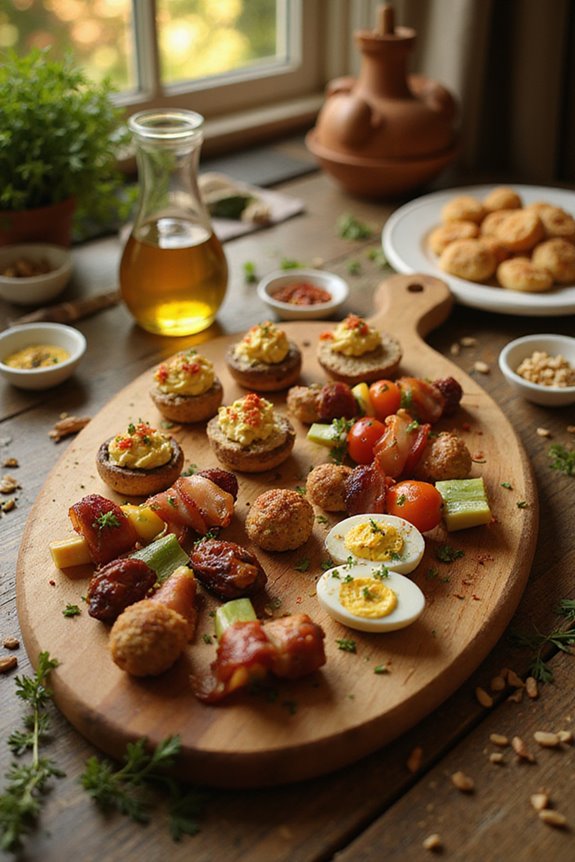
Have you ever thought about how much more fun veggies could be if they were presented in a playful way? We can transform ordinary meals into delightful experiences with a bit of creativity! Let’s try some Veggie Art by arranging veggies into fun shapes—think cucumber smiles or tomato eyes. How about creating beautiful edible flower arrangements? This can engage everyone, especially kids! Interactive Plating invites us to assemble our veggie jars with vibrant layers or craft themed platters for special occasions. And who doesn’t love a dip? Pairing colorful dips with our veggie creations can add excitement. Let’s turn veggie time into fun time, making meals a delightful adventure rather than just another chore!
Nutritional Benefits of Vegetables
Nourishing our bodies with a variety of vegetables isn’t just a good idea; it’s the cornerstone of a healthy lifestyle. Just imagine the nutritional synergy when we combine different veggies on our plates! Each one brings essential nutrients that work together to keep our hearts healthy and our digestion smooth. With their impressive vitamin density, especially from leafy greens, we can boost our immune systems and support our overall well-being. Plus, those fibrous friends help keep our guts happy and aid in weight management. So, let’s embrace their colorful crunch, knowing we’re not just feeding our taste buds but also fueling our well-being! Who knew adding a splash of green could be so delightful—and beneficial?
Gradual Introduction of New Vegetables
Although diving headfirst into the world of vegetables might seem intimidating for some, we can take it slow and steady to make the experience enjoyable. Let’s start with just small portions of familiar veggies, like sweet potatoes or carrots, to ease the way. Remember those delicious vegetable smoothies? They’re a perfect way to sneak in flavors! Through repeated exposures—like inviting new veggies into our taste tests—we can gradually build comfort. Let’s explore our garden together, discovering how touching and smelling can spark interest. By introducing new textures slowly, like roasted carrots before raw, we’ll guarantee it’s a fun adventure. So, let’s celebrate every tiny victory and make this veggie journey a delightful experience!
Involving Kids in Cooking
Getting kids involved in cooking can be a game changer for their willingness to eat vegetables. When they’re part of the process, their vegetable engagement increases, and let’s be honest, they feel like culinary rockstars! By assigning them age-appropriate tasks, we can boost their confidence and pride in what they create. Plus, studies show that kids who help cook tend to eat more veggies. We don’t need fancy culinary schools; just some basic cooking skills and safety tips to foster their interest. Remember, repeated exposure is key—let’s try to whip up some delicious recipes together that sneak in the veggies. Who knows? They might even ask for seconds! So, let’s make cooking a fun family adventure.
Frequently Asked Questions
Can I Freeze Hidden Vegetable Meals for Later Use?
Yes, we can absolutely freeze hidden vegetable meals for later use! By using proper meal prep and freezing techniques, we can maintain their quality and enjoy nutritious meals anytime we need them.
What Are Some Good Herbs and Spices to Mask Vegetable Flavors?
To mask vegetable flavors, we love using herb combinations like Italian seasoning or garden blends. Spice blends such as paprika and garlic powder also work wonders, making meals enticing and enjoyable for everyone at the table.
How Can I Deal With Vegetable Texture Aversions in Children?
Around 50% of kids reject vegetables due to texture aversions. To ease this, we can try texture tricks like purées or soften veggies, and offer tasty veggie alternatives. It’s all about experimenting together, right?
Are There Specific Vegetables That Blend Better in Smoothies?
Absolutely, we’ve found that leafy greens like spinach and mild veggies like cucumber blend beautifully in smoothies. Their profiles complement sweet fruits, creating delicious smoothie combinations that we can all enjoy together, no matter our tastes!
How Do I Choose the Best Dips for Vegetable Sides?
When choosing dips for vegetable sides, let’s explore various dipping strategies and perfect flavor pairings. We’ll enjoy creamy hummus, zesty ranch, or savory herb dips, enhancing our veggies while savoring every bite together.