As an Amazon Associate, we earn from qualifying purchases. Some links on this site are affiliate links at no extra cost to you. Our recommendations are based on thorough research and editorial judgment.

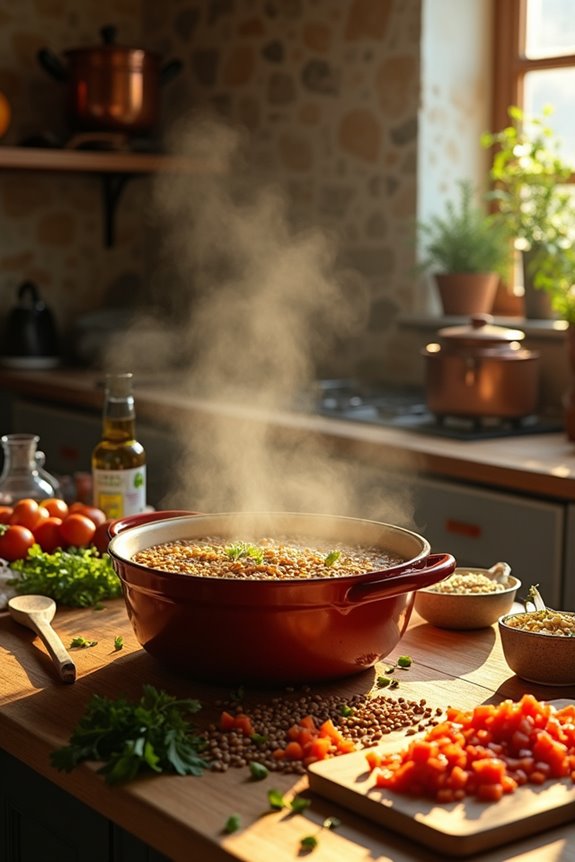
How To Make Lentil Soup Hearty?

To make our lentil soup hearty, let’s start with a mix of lentils—green and French for texture and flavor. Rinse ‘em well to remove dust, then skip soaking—they cook in about 30 to 45 minutes. Sauté onions, carrots, and celery in olive oil, adding garlic last. Don’t forget nutrient-rich leafy greens and root veggies for depth. Serve with crusty bread or grilled cheese. Stick around, and we’ll cover some tasty tips and variations to kick it up a notch!
Key Takeaways
- Combine different types of lentils, such as green, brown, and French, for a robust texture and flavor.
- Add starchy vegetables like potatoes or sweet potatoes to create a creamy, hearty consistency.
- Incorporate a variety of vegetables and leafy greens to enrich the soup and boost its nutritional value.
- Use a flavorful broth and sauté aromatics like onions, carrots, and celery to deepen the soup’s taste.
- Consider thickening techniques, like using a slurry or blending in crusts of stale bread, for added richness.
Selecting the Right Lentils



When we think about making a hearty lentil soup, selecting the right lentils is a game changer. Green lentils are our top pick; they hold their shape beautifully while softening just enough to add that lovely earthiness. Brown lentils behave similarly, providing a mild flavor that’s perfect for soups. If we have the time, French lentils add a firm, nutty texture that keeps the soup interesting. But let’s skip red lentils for this recipe—while they cook fast, they turn mushy, losing that all-important texture retention. Remember, combining different types might enhance flavor profiles, but let’s manage those cooking times carefully. By choosing wisely, we not only enrich the soup’s taste but also boost its nutritional benefits! Additionally, the best potatoes for mashing can complement lentil soup as a side dish, offering a creamy texture that pairs well with hearty flavors.
Recommended Products

Triple slow-cooker server for entertaining large groups in style

GROWN IN THE PACIFIC NORTHWEST: All our Clear Creek Lentils are grown in the beautiful region of the Pacific Northwest. We source each of our products from neighboring Pacific Northwest farms in order to provide high quality, sustainable products rich in nutrients.

Enameled cast iron delivers superior heat distribution and retention
Proper Rinsing and Sorting
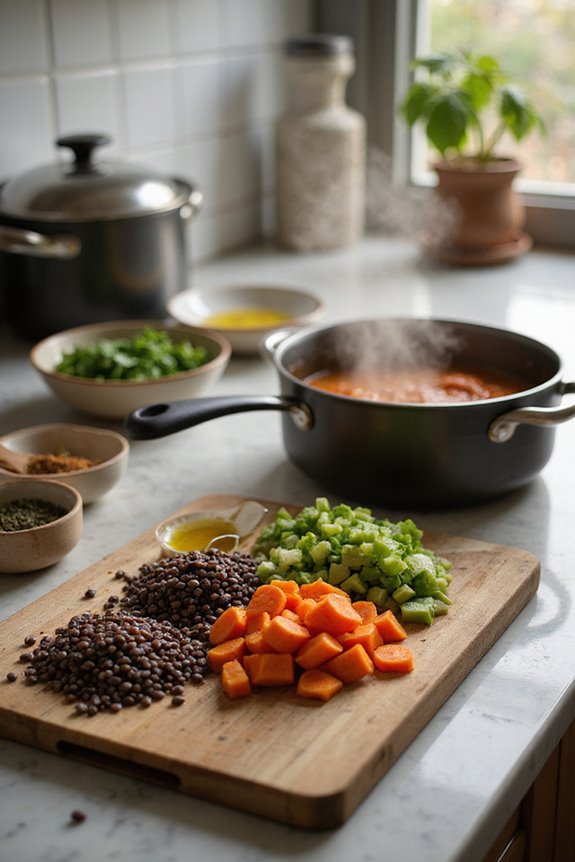
To whip up a delicious lentil soup, we can’t overlook the importance of proper rinsing and sorting. First, let’s use some sorting techniques: spread those lentils out on a flat surface to inspect for stones or twigs. It’s like a treasure hunt, and nobody wants to crunch on an unexpected rock! After we’ve done that, we’ll employ rinsing methods by running cold water over the sorted lentils, scrubbing gently between our hands. Keep rinsing until the water runs clear—sometimes, that might take a few rounds, especially with dusty red split lentils. Trust us, this extra care elevates our soup’s flavor and guarantees a cozy, hearty dish that’s all about enjoying the culinary experience together! Additionally, ensuring even heat distribution during cooking can enhance the overall flavor and consistency of your soup.
No Soak: Quick Preparation
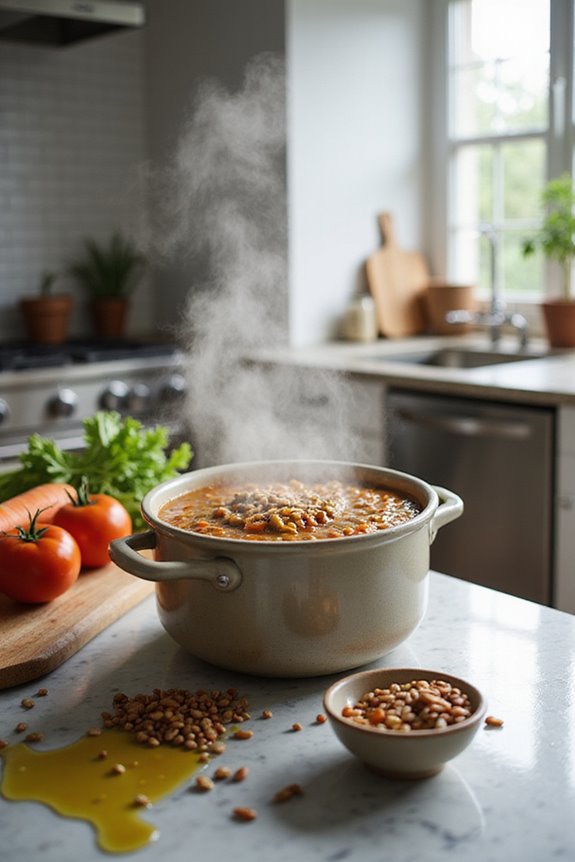
Having sorted and rinsed our lentils, we’re ready to plunge into the exciting world of quick preparation without soaking. Did you know that lentils cook up in just 30 to 45 minutes? That’s right! We can toss our rinsed lentil varieties straight into simmering broth or water, no soaking necessary. If we’re feeling adventurous, a pressure cooker can speed things up to about 9 minutes—talk about quick cooking! Remember, the ideal liquid ratio is about 3:1, so if your soup’s getting too thick, just add a splash more broth. Cooking without soaking saves us time and keeps our lentils flavorful. In fact, using the right cooking technique can enhance the overall taste and texture of your dish. So, let’s embark on this delicious journey together and enjoy the heartiness of our lentil soup!
Sautéing Aromatics for Flavor
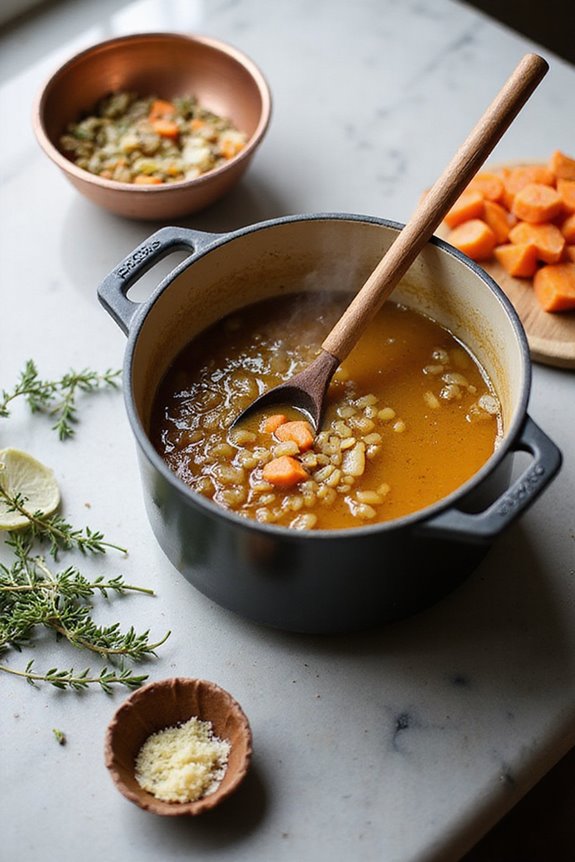
Sautéing our aromatics might just be the magical step that elevates our lentil soup from good to absolutely delightful. By mastering a few sautéing techniques, we reveal caramelization effects that deepen our soup’s flavor. Let’s start with olive oil over medium heat; this prevents burning while coaxing out the natural sweetness of onions. Once they’re translucent, we can add those bright carrots and earthy celery to soften up. Don’t forget: seasoning with salt right away helps moisture escape. A little humor? Think of your vegetables as guests at a party—they need some time to mingle! If we time it right by adding garlic last, our soup will capture a beautiful, aromatic warmth. Let’s embrace this vital step together! Interestingly, sautéing can enhance flavor development in our dishes, making them even more satisfying.
Adding Depth With Garlic
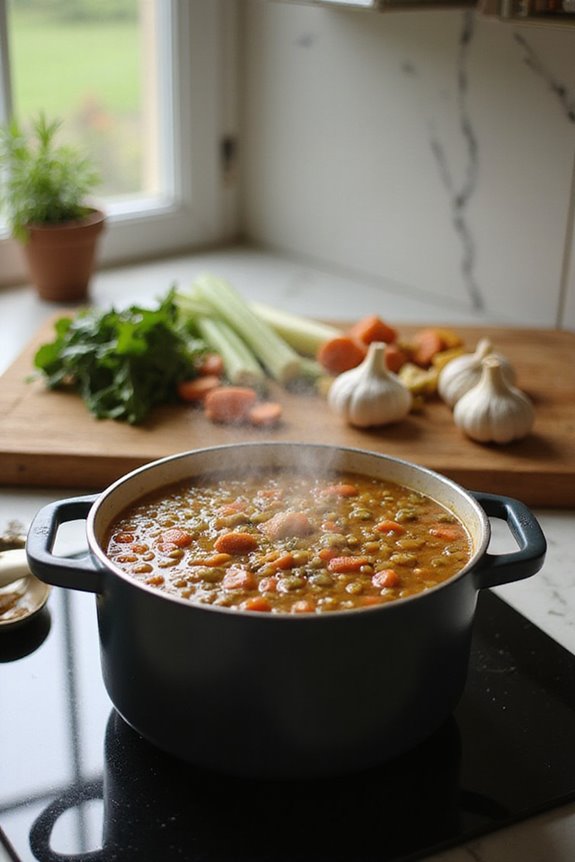
While we might be tempted to toss garlic into our lentil soup without much thought, doing so at the right moment can truly elevate the dish. Adding garlic later in the cooking process allows those wonderful allicin properties to shine. This sulfur compound not only gives garlic its fantastic aroma but also packs some serious garlic benefits—think immune support and heart health. Plus, the sharpness and depth it brings to our soup make it feel hearty and inviting. We can get creative here: whether it’s minced fresh garlic for a punch or roasted garlic for a mellow vibe, each option enhances our soup’s flavors. Additionally, using durable materials like ceramic or porcelain for your serving bowls can elevate the presentation of your hearty lentil soup. Let’s embrace garlic’s versatility and make our lentil soup something special!
Choosing the Right Oils
What if we told you that the choice of oil can transform your lentil soup from good to great? Using the right oil flavoring isn’t just about taste; it impacts textures too. We love extra-virgin olive oil for its rich, fruity character, which makes for a silky finish. Ghee, with its nutty flavor, works wonders when caramelizing onions, while avocado oil’s high smoke point allows for delightful sautéing. Remember, adding a bit more oil—up to 1/4 cup—can truly elevate heartiness. Make sure to sauté your veggies first; this way, those cooking techniques enhance flavor throughout the soup. And hey, don’t forget to finish with a drizzle of olive oil for that extra touch of magic! Let’s make that soup unforgettable!
Recommended Products

Italian Extra Virgin Olive Oil - 2024/2025 Harvest: Cold-pressed from select Calabrian olives, it guarantees an intense and authentic flavor.
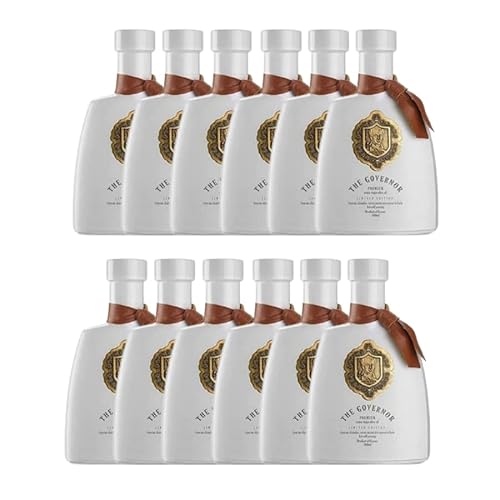
Top Shelf Olive Oil: Unmatched in quality, taste, and aroma - made from the finest Lianolia olives, carefully cultivated in the island of Corfu in Greece

One of the Best in the World: The flavor and aroma of The Governor Premium Olive Oil is second to none; It uses Lianolia olives grown in Corfu island, a region in Greece famous for its world-class olive groves
Building Flavor With Herbs and Spices
When it comes to building flavor in our lentil soup, the right blend of herbs and spices can make all the difference—think of it as the secret sauce to elevate your dish. We love using herb combinations like fresh thyme and rosemary for their fragrant kick. Spice blending is our next step; add cumin and coriander for warmth, maybe a hint of turmeric for earthiness. To really deepen those flavors, sauté them early with onions and garlic. Don’t forget to sprinkle in fresh parsley just before serving to brighten everything up! A squeeze of lemon at the end? Absolutely! It lifts the entire dish, adding that zesty contrast we crave. Let’s make our soup sing together!
Recommended Products

You'll LOVE our Asafetida Ground with Fenugreek and Turmeric by Rani Brand--Here's Why: 100% Natural, Gluten Friendly, No preservatives & Great Health Benefits..

Special Note: Our spices do not have anti-caking or anti clumping agents or other harmful additives, hence with a sticky product like our mango powder, natural clumping will occur. This does not indicate that the product is old or bad, just all natural!

SIMPLE, STRESS-FREE VENTING with an intuitive steam release switch that automatically resets when lid is closed
Liquid Base for Cooking
Choosing the right liquid base for our lentil soup can truly take it from bland to grand! The magic lies in the liquid infusion. We can opt for a hearty vegetable broth or chicken stock, which adds richness and depth—trust us, it makes a difference! For a thicker soup, using a mix of broth and crushed tomatoes creates a beautiful balance of flavors. Remember, liquid temperature matters; starting with warm broth helps the lentils cook evenly. A good rule is about 1 part lentils to 3 parts liquid, keeping an inch above the lentils to guarantee they don’t dry out. So, let’s get stirring, monitoring that liquid level, and enjoy the delightful transformation of our soup!
Recommended Products

GOURMET DELIGHT: Indulge in the exquisite taste of restaurant-quality Chicken with Wild & White Rice Soup Mix by Simple Kitchen. Crafted to perfection, it serves as the ideal starter or main dish for large events, parties, and catering. With 18 servings per pouch, it's a culinary delight for diverse occasions, providing a gourmet touch effortlessly.

1 base, 2 blending sizes. Blend large in the 64oz Blender Pitcher, blend single servings in the 24oz and 32oz Cups.

🍔【12-PIECE COOKWARE SET】The cookware set includes a 2 quart saucepan with lid, 2 quart pot with lid, 3 quart pot with lid, 4 quart pot with lid, 6.5 quart pot with lid, and a 8.6 " frying pan with lid. Designed for versatility and durability, perfect for soups, sauces, frying, and more!
Improving Texture With Pureeing
To elevate our lentil soup to a whole new level of deliciousness, pureeing can be a game-changer. By using simple puree techniques, we can achieve that velvety smoothness that makes every spoonful comforting. Blending breaks down lentils and veggies, releasing those natural starches that thicken our soup beautifully. It’s all about texture balancing; we don’t want it too chunky or watery.
If we add starchy vegetables like potatoes before blending, we can enhance the creaminess without any dairy. Let’s not forget to use an immersion blender for ease—it’s less messy, and we retain flavor. So, let’s embrace pureeing; it’s our secret weapon for a hearty, satisfying lentil soup that feels like a warm hug in a bowl!
Adjusting Consistency of Soup
Adjusting the consistency of our lentil soup can truly elevate the whole dish! To achieve that perfect soup thickness, we can try a few blending techniques. If we want a richer texture, adding a slurry of flour or cornstarch mixed with a bit of our soup helps thicken it without clumps. For an even creamier vibe, stirring in some yogurt or cream over low heat does wonders—just avoid boiling to keep it smooth.
Let’s not forget about starchy ingredients like potatoes or rice, which naturally enrich the soup while thickening it. Even blending in a few crusts of stale bread can give us that heartiness we crave without a flavor overload. Now, who’s ready to plunge into a bowl of comfort?
Enhancing Flavor Depth
When we immerse ourselves in making lentil soup, enhancing the flavor depth is truly where the magic happens. Let’s start with some herb pairings: fresh thyme and sage can brighten the earthy notes of lentils beautifully. We should toast our spices—like cumin and smoked paprika—before adding them to release their full potential. This step guarantees a balanced seasoning profile, preventing bitterness and promoting rich flavors. Oh, and don’t forget to add a splash of lemon juice or vinegar at the end; it’s a game-changer! For an umami boost, consider using a quality vegetable broth or miso. Finally, let’s rest our soup; letting it sit for a few hours lets those flavors mingle and deepen. Happy cooking!
Nutrient-Rich Leafy Greens
Adding nutrient-rich leafy greens to our lentil soup isn’t just a way to boost our health; it’s like throwing a vitamin-packed party in a bowl! Greens like kale, spinach, and Swiss chard bring a bunch of leafy nutrients that are not just tasty but also super good for us. When we cook them—especially by steaming or adding them at the end—we help release even more minerals, making them easier for our bodies to absorb. Plus, they add a lovely depth to our soup without weighing it down! So, let’s chop up some kale or toss in tender spinach to enhance both flavor and nutrition. Trust us, your taste buds and your body will thank you!
Incorporating a Variety of Vegetables
Vegetables aren’t just the sidekicks in our lentil soup; they’re the stars of the show! When we think about our vegetable combinations, it’s all about flavor balancing. Starting with the classic mirepoix of onion, carrot, and celery brings sweetness and depth to our soup. Then, tossing in root veggies like potatoes or sweet potatoes makes it creamier—no cream needed! Let’s also add diced tomatoes to brighten things up; they’ll add acidity that balances the hearty lentils. Leafy greens like kale or chard bring important nutrients and a pop of color. Don’t skip garlic or bell peppers for extra flavor! Mixing and matching these veggies creates layers of taste, making our lentil soup hearty, comforting, and nourishing.
Serving and Accompanying the Soup
Serving lentil soup can be as delightful as making it, especially when we get creative with our accompaniments. Let’s explore some fun serving suggestions! Crusty artisan bread is perfect for soaking up all that delicious broth, while naan brushed with garlic herb butter makes every dip an experience. For a twist, how about pairing it with grilled cheese sandwiches? They’ll be a hit with the kids!
We can also enhance flavors with fresh herbs or custom toppings like crispy nuts. Adding a light side salad or roasted veggies balances the richness. And remember, presenting our soup in warmed bowls, garnished with parsley, adds a lovely touch. Let’s make this meal memorable with thoughtful touches that invite everyone to dig in!
Recommended Products

Durable HT150 Alloy Construction: Built with superior heat-retaining HT150 cast iron, ensuring even cooking performance and long-lasting durability.

LOCKS IN FLAVOR AND MOISTURE: Cast iron tight-fitting lid features self-basting spikes that create a rain-forest effect, evenly returning juices to the food for tender, flavorful results.

8 QT OVAL DUTCH OVEN — MADE FOR GATHERING: Generous 8-quart capacity makes it easy to prepare whole chickens, hearty braises, and large batches of soup or chili. Perfect for family dinners, entertaining, and the meals that bring everyone to the table.
Storage Tips for Leftovers
When it comes to storing leftover lentil soup, a few simple steps can make all the difference in keeping it fresh and tasty. First, let’s cool it to room temperature before refrigerating—this is vital for food safety. Use airtight containers to avoid contaminating those delicious flavors, and refrigerate within two hours. We’ll want to enjoy our soup in 3 to 4 days.
If we’re freezing some, portion it out in freezer-safe containers, leaving a little space for expansion. For thawing, the fridge overnight works wonders. When it’s time to reheat, do it gently on the stove, perhaps adding a splash of water if it thickened too much. Trust us, following these tips helps maintain quality preservation, and your taste buds will thank you!
Frequently Asked Questions
Can I Use Canned Lentils Instead of Dried Lentils?
Absolutely, we can use canned lentils for convenience, enjoying their quick preparation. However, we might miss the nutritional richness of dried lentils. Balancing these benefits is key to our dish’s heartiness and healthiness.
How Long Can I Store Lentil Soup in the Freezer?
Think of our lentil soup as a cozy hug waiting in the freezer. We can store it there for up to three months, preserving its quality and flavor—just be sure to use airtight containers!
What Proteins Pair Well With Lentil Soup?
We love adding chicken additions, beef combinations, or sausage varieties to our lentil soup for extra richness. Tofu options bring a delightful twist too, making every bowl a cozy, protein-packed delight we can enjoy together.
Can I Make Lentil Soup in a Slow Cooker?
Absolutely, we can make lentil soup in a slow cooker! The slow cooker benefits us by allowing flavors to meld beautifully over cooking times of 6-8 hours on low, creating a delightful, hands-off meal experience.
What Garnishes Are Best for Lentil Soup?
For our lentil soup, let’s try fresh herb toppings like parsley or dill alongside creamy swirls of yogurt or coconut milk. These additions’ll elevate flavors, bringing warmth and comfort to our cozy bowl.