As an Amazon Associate, we earn from qualifying purchases. Some links on this site are affiliate links at no extra cost to you. Our recommendations are based on thorough research and editorial judgment.

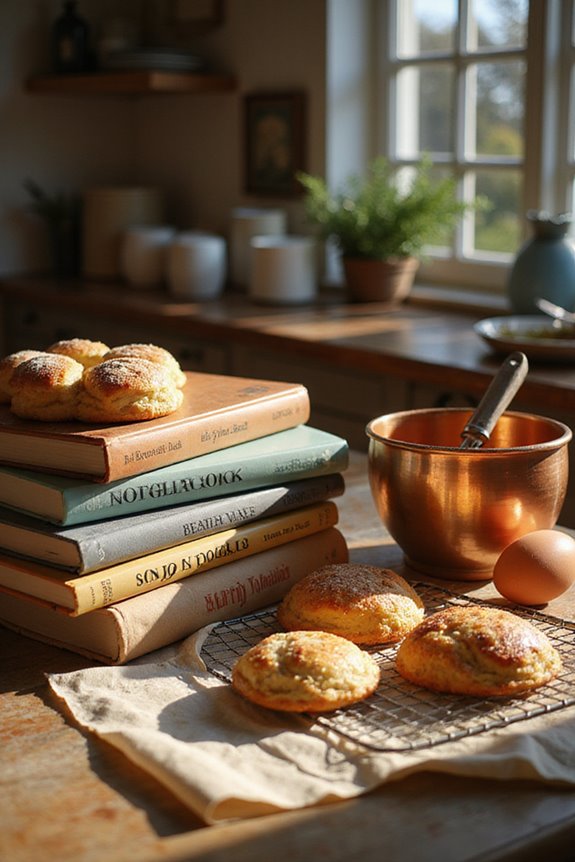
Best Baking Cookbooks

If you’re on the hunt for the best baking cookbooks, we’ve got you covered! *Rose’s Baking Basics* is perfect for beginners with its 600 step-by-step photos, while *How To Bake Everything* by Mark Bittman offers over 2,000 recipes for every need. For those wanting to explore precision, *The Food Lab* breaks down the science of baking in a fun way. And if you’re craving holiday treats, seasonal cookbooks add joy to your festivities. Stick around, and we’ll share even more must-haves!
Key Takeaways
- *How To Bake Everything* by Mark Bittman offers over 2,000 diverse recipes, making it ideal for bakers of all levels.
- *Pastry Love* by Joanne Chang features trending flavors and innovative combinations, perfect for those wanting to explore modern baking.
- *The Food Lab* by J. Kenji López-Alt provides scientific insights into baking, ensuring better understanding and improved results.
- Seasonal cookbooks like *Baking for the Holidays* enhance festive traditions with inclusive recipes and seasonal ingredients.
- Specialized cookbooks for gluten-free and allergy-friendly baking encourage creativity with ingredient substitutions and DIY blends.
Best Baking Cookbooks for Beginners
You may be interested

Are you keen to plunge into the wonderful world of baking but feel a bit overwhelmed? Don’t worry; we’ve all been there! To kick things off, *Rose’s Baking Basics* is a fantastic choice for beginners. With over 600 step-by-step photos, it’s like having a baking buddy right in our kitchen. Plus, it teaches essential tools and beginner techniques with confidence-boosting tips galore. If we want something simpler, *One Tin Bakes* uses just one baking pan, making cleanup a breeze while still delighting our taste buds. And let’s not forget *The Flavor Bible*—it’ll help us explore creative combinations to elevate our baked goodies. So grab one (or all!) of these cookbooks, and let’s create some delicious memories together! Additionally, understanding material types used in kitchen tools can enhance our baking experience and keep our equipment in top shape.
Recommended Products


Popular Baking Cookbooks of Recent Years
In recent years, the world of baking cookbooks has exploded with exciting options that cater to every skill level and taste. We’ve all seen the trend toward accommodating dietary restrictions—gluten-free recipes are everywhere! Books like *Pastry Love* by Joanne Chang showcase trending flavors and creative combinations. Similarly, *How To Bake Everything* by Mark Bittman shines with over 2,000 recipes. For those of us curious about the science behind baking, *The Food Lab* by J. Kenji López-Alt unpacks innovative techniques while keeping it approachable. And let’s not overlook visuals; cookbooks with step-by-step photos, like *Rose’s Baking Basics*, truly guide us to success! Additionally, many of these cookbooks emphasize the importance of essential baking tools that can enhance your baking experience. So, pick one up and let’s get baking—your taste buds will thank you!
Advanced Baking Techniques
When it comes to advanced baking techniques, mastering a few essential methods can transform your baked goods from good to jaw-droppingly great. Precision baking is key! For instance, caramelizing sugar requires careful temperature management—aim for that perfect golden-brown hue. We should also explore techniques like browned butter, which adds a delightful depth to cakes and frostings.
Don’t forget about dough handling; keeping it cool while laminating guarantees flaky pastries. And hey, a little practice with piping can turn your creations into show-stoppers! Remember, accurate ingredient measurements and understanding gluten development are vital. Additionally, using high-quality baking sheets can significantly improve your baking results. So, let’s immerse ourselves in these techniques together, building our skills and confidence, turning our baking adventures into something truly spectacular. Trust us; you’ll impress everyone with your technique mastery!
Seasonal and Holiday Baking
There’s something magical about seasonal and holiday baking that brings us all together, isn’t there? From Cheryl Day’s *Treasury of Southern Baking* to Sarah Kieffer’s *Baking for the Holidays*, these cookbooks charm our kitchens with traditions and festive delights. We’re especially drawn to recipes that incorporate holiday ingredient substitutions, ensuring everyone can partake. While we whip up gingerbread cookies or spiced cakes, let’s not forget international baking traditions—imagine baking Jewish honey cakes alongside German Stollen! Each recipe offers approachable steps, perfect for busy schedules or smaller gatherings. Additionally, the use of high-quality materials in baking tools can enhance our baking experiences and final results. So, as we gather with friends and family, let’s plunge into the joy of baking together, honoring both the past and the present with a sprinkle of love.
Baking for Specific Dietary Needs
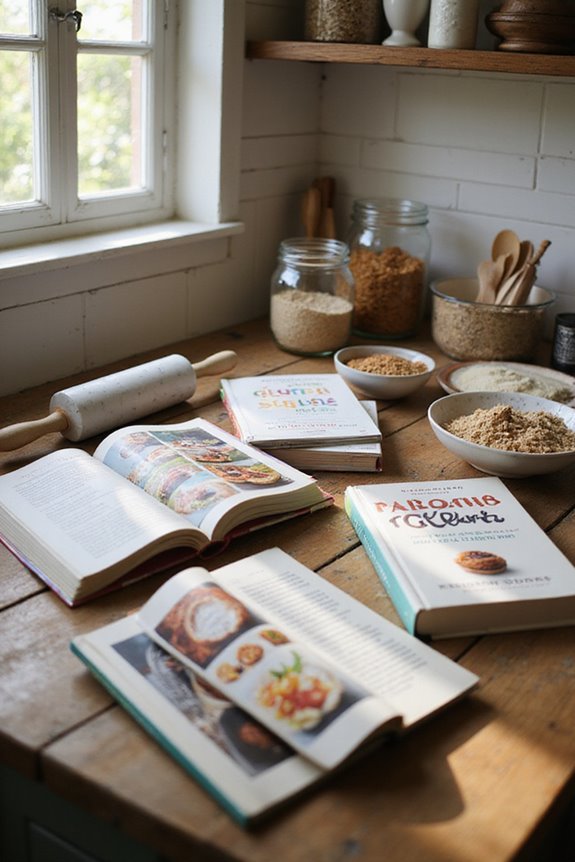
While baking can often feel like a one-size-fits-all endeavor, we recognize that a whole world of dietary needs can come into play in our kitchens. Whether we’re seeking gluten free options or crafting allergy friendly recipes, specialized cookbooks are our best friends. They offer fantastic tips for making delicious treats without compromising taste. We love how some books provide DIY gluten-free flour blends that empower us to get creative. Plus, they often explain ingredient swaps for dairy-free or vegan baking, helping all of us replicate the classics. Remember, great baking is about experimenting—so don’t be afraid to try those alternative milks or sweeteners. Let’s embrace the joy of baking for everyone! Additionally, utilizing unbleached parchment paper in your recipes can enhance the baking experience and ensure easy release of your baked goods.
Classic Baking Cookbooks
Classic baking cookbooks are like old friends that guide us through the intricate art of baking with both warmth and wisdom. They teach us classic techniques, from Julia Child’s soufflés in *Mastering the Art of French Cooking* to the dependable, thorough guidance found in Mark Bittman’s *How to Bake Everything*. Dorie Greenspan’s books, like *Baking: From My Home to Yours*, inspire us to try unique cookie recipes while ensuring we nail the basics. And let’s not forget Jeffrey Hamelman’s *Bread*, essential for tackling sourdoughs and ciabattas. These timeless texts bridge tradition and modern adaptations, making intimidating recipes approachable. So grab a cookbook, gather your ingredients, and let’s make some delicious memories together!
Recommended Products


Baking Science and Techniques
When we step into the world of baking, understanding the science behind our favorite recipes can make all the difference. By diving into baking chemistry, we can better appreciate ingredient interactions and how they influence our outcomes. For example, take the creaming method; it’s all about incorporating air into fat and sugar to achieve that light, fluffy texture we all love. Timing matters here, though—too long, and it’s gritty! Plus, using room temperature eggs makes a notable difference in volume. Don’t forget about moisture balance! It prevents dryness and engages those leavening agents perfectly. So, let’s embrace these techniques and make our baking adventures not just tasty but scientifically sound! After all, who knew baking could be this fun?
No-Bake Desserts
Who doesn’t love the idea of dessert that doesn’t require turning on the oven? No-bake variations have taken the spotlight in the latest dessert trends, and we’re excited to explore these delightful recipes. Cookbooks like *The DIY Protein Bars Cookbook* and *Naughty or Nice Cookbook* cater to our cravings for indulgence while keeping our health in mind—perfect for all of us trying to balance enjoyment and nutrition. Seasonal gems from *The Most Invigorating No-Bake Summer Desserts Cookbook* keep us cool too! Imagine layers of flavors in chilled treats like S’mores Lasagna. With easy prep and wholesome ingredients, why not whip up a guilt-free delight tonight? Let’s embrace the no-bake dessert revolution together!
Artisan Bread Baking
Artisan bread baking can feel like both an art and a science, and that’s what makes it so fascinating! We’ve all marveled at that crusty loaf with its beautiful open crumb. It can be achieved with the right artisan bread tools and a solid understanding of dough hydration. Books like *Flour Water Salt Yeast* guide us through high-hydration doughs, while *The Bread Baker’s Apprentice* teaches us essential shaping techniques. Using long fermentation processes enhances flavors, making our bread truly special. Plus, maintaining proper temperature control can really help our dough rise to new heights—literally! So, let’s explore these texts, experiment with some formulas, and relish the joy of creating our own artisan breads, one loaf at a time.
Recommended Products

MULTI-FUEL – Fire up with wood or charcoal right out of the box for a subtle wood-fired taste, or use gas with the Ooni Karu 2 Pro Gas Burner – sold separately – for maximum flexibility in cooking experiences.
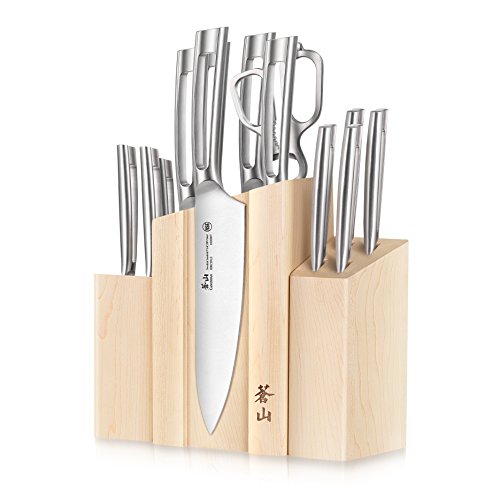
Hand crafted full tang knives forged from fine grained, Swedish 14C28N Steel for incredible durability, stain resistance and exceptional edge retention. 2016 Red Dot Award Winner, A Design Award Winner, 2018 German Design Award Winner. USPTO Patented Design.

Built to take it all on with the durable and built-to-last metal construction, and 59 touchpoints around the mixer bowl for great mixing results.
Cake Baking Essentials
After exploring the world of artisan bread, it’s time to turn our attention to another beloved baking pursuit: cake making! We can achieve delightful cake texture by mastering a few essential baking techniques. Start with the creaming method—beating butter and sugar until fluffy helps incorporate air for a beautiful rise. Remember, adding eggs gradually prevents curdling, ensuring a stable batter. For a moist crumb, try the reverse creaming method, mixing fat with flour first. Don’t forget to sift dry ingredients; it makes a difference in the texture! Finally, watch your bake time—oven temperatures can be tricky. We’ll find that even small adjustments lead to big flavor and texture improvements. Let’s go bake that perfect cake together!
Recommended Products

✅ Excellent Cake Decorating Kit: Plenty of styles piping tips with 48 numbered icing tips,6 Russian tips,6 medium tips and 4 sphere tips for cake decorating, and the pattern chart can help you to choose the style you want. You can use all this cake decorating tools to customize and decorate various cakes.

Package: this 6pcs cake arch guide tool set includes six different-sized templates, covering different styles: mini, standard, wide, and flat; It helps you create uniform arches and drape patterns on cakes of virtually any shape or size

6 PACK 8.6 INCH CAKE SCRAPER SET: 4 PCS 8.6 inch cake scrapers, enough to meet your daily baking, batch production or professional decorating needs. Each scraper is designed with a proper width and thickness, easy to hold and operate, helping you quickly create smooth cake edges or personalized patterns without effort
Flavor Pairing in Baking
When it comes to baking, flavor pairing is like a secret ingredient that can transform our creations from good to absolutely irresistible. Understanding flavor compatibility helps us blend complementary spices, like vanilla and caramel, while exploring contrasting notes, such as sweet and sour, gives our treats that winning taste balance. Remember, flavor intensity is key; a bold ingredient can easily overpower a delicate one. So, let’s get adventurous! We can delight in unexpected pairings—think peanut butter with tangy grape or chocolate with citrus. Using flavor maps can guide us to discover how cultural influences enhance our baking dynamics. Let’s release the potential of aromatic herbs and spices, enhancing every bite with delightful complexity. Happy baking, friends!
Italian-American Baking Traditions
Italian-American baking traditions are a delightful fusion of flavors and techniques, shaped by generations of immigrant bakers. We cherish the cultural significance of these Italian pastries, like cannoli and biscotti, that connect us to our roots. Each recipe carries whispers of immigrant heritage, passed down and lovingly adapted through the years. With a sprinkle of baking innovations, we’ve reimagined traditional treats, often swapping in local ingredients, making them uniquely ours.
Italian bakeries serve as cultural hubs, where the aroma of baked goods mingles with stories of family and community life. So, let’s celebrate these sweet traditions! Grab a cookbook, roll up your sleeves, and create pastries that connect us—one bite at a time. After all, nothing says love quite like homemade desserts!
Healthy Baking Options
Healthy baking options open up a world of delicious possibilities that don’t require sacrificing flavor for nutrition. By using superfood ingredients like nuts, seeds, and fruits, we can create treats that are as good for our bodies as they are for our taste buds. Imagine baking with alternative flours like almond or coconut flour, which not only boost nutrition but also add unique flavors. Cookbooks like Dr. Libby’s and “The Naughty or Nice Cookbook” guide us in swapping refined sugars for natural sweeteners, making our desserts healthier without losing sweetness. We can even make high-protein snacks like no-bake bars from “The DIY Protein Bars Cookbook.” So, let’s embrace this fun journey of healthy baking together!
Festive Baking Ideas
As we wrap up our journey into healthy baking, it’s time to sprinkle some festive cheer into our kitchens! Let’s plunge into some delightful holiday flavors with cheerful festive creations. Imagine whipping up a quick no-bake pistachio and pomegranate chocolate bark—it’s a showstopper!
Or how about baking a poached pear caramel cake that captures warmth and elegance? For cookies, cranberry chocolate chip treats are perfect for gift-giving, while gingerbread bars bring those classic holiday spices to our lives. We can even experiment with beautiful decorations, like cinnamon roll wreaths. So, embrace this joyful season—mix flavors, share treats, and create lasting memories. Let’s enjoy these festive baking ideas together, because the magic of the holidays truly shines in our kitchens!
Timeless Baking Recipes
There’s something truly special about timeless baking recipes—they connect us to our roots and allow us to share delicious traditions with loved ones. These recipes often feature classic cakes, cookies, and breads, making them perfect for gatherings. We’ve discovered that mastering timeless techniques, like the pan-banging method from Sarah Kieffer, can transform our cookies into something spectacular. Plus, many of these cookbooks offer recipe adaptations, helping us adjust flavors while keeping that cherished essence alive. Let’s not forget the importance of a solid dough recipe for pies and tarts—these foundational skills will have us baking like pros in no time. So, dust off those aprons, and let’s create something memorable together!
Frequently Asked Questions
What Baking Tools Are Essential for Beginners?
For beginners, we’ve found that essential tools include measuring cups for accurate ingredients and mixing bowls in various sizes. These basics help us create wonderful baked goods together, ensuring our baking adventures are enjoyable and successful.
How Do I Store Baked Goods Properly?
Did you know that improperly stored baked goods can lose freshness in just a few days? For us, storing cupcakes in airtight containers and refrigerating cookies carefully helps preserve their delightful textures and flavors longer.
Can I Substitute Ingredients in Baking Recipes?
Absolutely, we can substitute ingredients in baking! Just remember to contemplate flavor substitutions and texture adjustments, ensuring we maintain the recipe’s balance. A little creativity can lead to delightful results, so let’s have fun experimenting together!
How Do I Know When My Baked Goods Are Done?
We can tell our baked goods are done by watching visual cues like golden edges and using testing techniques, like the toothpick test. A little practice together, and we’ll master the art of perfect baking!
What Is the Best Way to Prevent Baking Disasters?
To prevent baking disasters, we should master key baking techniques and embrace recipe simplifications. By preparing carefully, measuring accurately, and monitoring closely, we’ll guarantee our creations are consistently delightful and stress-free.