As an Amazon Associate, we earn from qualifying purchases. Some links on this site are affiliate links at no extra cost to you. Our recommendations are based on thorough research and editorial judgment.

5 Best French Cookbook Recipes That Will Elevate Your Culinary Skills

If you want to elevate your culinary skills, check out “The French Laundry Cookbook” by Thomas Keller for refined techniques and flavor layering. “My Paris Kitchen” blends engaging stories with varied recipes, perfect for different skill levels. “French Cooking Academy” offers 100 essential recipes with stunning photos to boost your confidence. “Classic French Recipes” showcases timeless dishes, while “Promise, No Frogs!” simplifies French cooking with easy-to-follow instructions. Stick around to uncover more insights and delicious options!
Key Takeaways
- Explore The French Laundry Cookbook for refined techniques and intricate recipes that elevate fine dining skills.
- Try recipes from My Paris Kitchen, blending storytelling with dishes suitable for various skill levels.
- Utilize French Cooking Academy’s clear recipes and beautiful photos to build confidence in home cooking.
- Start with approachable recipes from Promise, No Frogs! to simplify French cooking using everyday ingredients.
- Discover Classic French Recipes for a mix of traditional and new dishes, inspiring creativity in the kitchen.
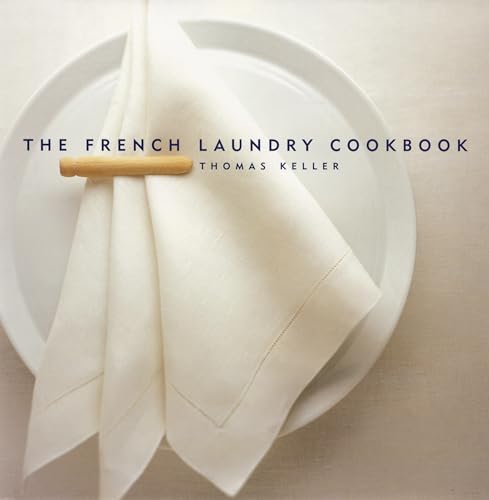
The French Laundry Cookbook (The Thomas Keller Library)
Sale

The French Laundry Cookbook
- Artisan publishers
- Language: english
- Book - the french laundry cookbook (thomas keller library)

You may be interested



If you’re serious about elevating your culinary skills and want to dive deep into the art of fine dining, “The French Laundry Cookbook” by Thomas Keller is your go-to guide. This masterpiece isn’t just a cookbook; it’s an educational experience, featuring 150 meticulously tested recipes. You’ll discover refined techniques and flavor layering that’ll get your creative juices flowing. Sure, some recipes might seem intricate, but the clear instructions and stunning photography make them approachable. Have fun experimenting with Keller’s philosophy of pursuing perfection; even if you stumble, remember—the journey counts just as much as the destination!
Best For: Serious home cooks and culinary enthusiasts looking to deepen their understanding of fine dining techniques and elevate their cooking skills.
Pros:
- Meticulously tested recipes that provide clear instructions and stunning photography, making complex dishes more accessible.
- Educational insights from Thomas Keller, offering a philosophical approach to cooking that emphasizes the pursuit of perfection.
- A comprehensive resource that goes beyond just recipes to explore refined techniques and flavor layering.
Cons:
- Many recipes are complex and time-consuming, requiring advanced skills and high-quality ingredients that may be challenging for the average home cook.
- Some users report issues with the physical condition of the book, such as torn pages or covers, which could detract from the overall experience.
- The high level of culinary artistry may make it feel intimidating to beginners or those not experienced in fine dining techniques.
My Paris Kitchen: Recipes and Stories [A Cookbook]
![My Paris Kitchen: Recipes and Stories [A Cookbook]](https://m.media-amazon.com/images/I/41AoiXYhrrL.jpg)
Looking to elevate your cooking and experience the charm of Paris from your kitchen? *My Paris Kitchen: Recipes and Stories* by David Lebovitz is your perfect companion, especially if you enjoy a dash of humor with your culinary adventures. This book marries witty storytelling with delicious recipes, making it irresistibly enjoyable, even for cookbook skeptics. You’ll find treasures like Coq Au Vin and ribeye steak that require quality ingredients and patience, so revel in the cooking process. It’s not about quick fixes; it’s about savoring each moment. Trust me, your kitchen deserves this delightful taste of Paris!
Best For: Those who appreciate a blend of humor and culinary art and are looking to immerse themselves in the culture and cuisine of Paris through an engaging cookbook.
Pros:
- Captivating Writing: David Lebovitz’s witty storytelling makes the cooking experience enjoyable and entertaining.
- Variety of Recipes: Offers a range of dishes suitable for different skill levels, from beginners to experienced cooks.
- Cultural Insights: Rich anecdotes about Parisian life enhance the connection between cooking and food culture.
Cons:
- Time-Consuming Recipes: Not ideal for individuals seeking quick meal solutions, as many dishes require patience and dedication.
- Quality Ingredient Dependence: Some recipes call for high-quality ingredients, which may lead to higher grocery costs.
- Lack of Images for Some Recipes: While visually appealing, not all recipes come with accompanying photographs, which could be a downside for visual learners.
French Cooking Academy: 100 Essential Recipes for the Home Cook

For home cooks enthusiastic to explore the delectable world of French cuisine, “French Cooking Academy: 100 Essential Recipes for the Home Cook” is your ultimate guide. Authored by Chef Stéphane Nguyen and Kate Blenkiron, this cookbook makes French cooking approachable. It starts with intriguing histories behind each dish and offers clear instructions laid out neatly. With sections on stocks, starters, mains, and desserts, you’ll find everything you need to impress at dinner parties. The eye-catching photos are great for motivation—after all, who can resist a beautifully plated tarte Tatin? Immerse yourself, have fun, and elevate your cooking game today!
Best For: Home cooks of all skill levels seeking to learn and master French cuisine in an accessible way.
Pros:
- Clear, organized recipes with step-by-step instructions and beautiful photographs enhance the cooking experience.
- A wide variety of dishes from foundational stocks to elegant desserts cater to diverse culinary interests.
- The book promotes confidence in the kitchen, making complex French dishes approachable for beginners.
Cons:
- Limited number of recipes may leave advanced cooks wanting more variety and complexity.
- Some ingredients may be less accessible for those living in remote areas or with limited grocery options.
- The focus on French cuisine may not appeal to those looking for a broader range of international culinary styles.
Classic French Recipes
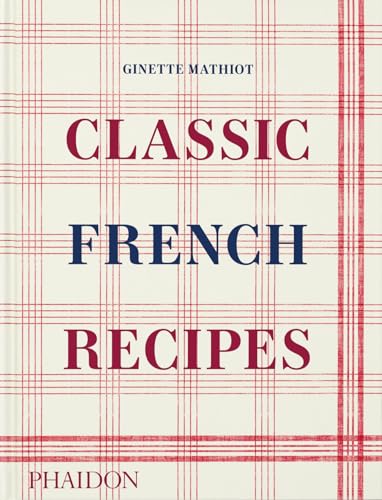
Classic French recipes have a way of enchanting both budding and seasoned cooks alike, making this cookbook a must-have for anyone wanting to explore the art of French cuisine. You’ll discover a treasure trove of classic recipes, each paired with beautiful pictures that inspire. From croissants to coq au vin, this collection covers both beloved favorites and exciting new adventures. The clear instructions guide you, whether you’re a novice or just refining your skills. And hey, who wouldn’t want a touch of French elegance in their kitchen? Grab this book; it’s a delightful companion on your culinary journey. Bon appétit!
Best For: Anyone looking to embrace French cuisine, from novice cooks to experienced chefs seeking inspiration.
Pros:
- Loaded with beautiful pictures that make the recipes visually appealing.
- Offers a well-rounded selection of classic and new French dishes for all skill levels.
- Clear instructions that make cooking accessible, even for beginners.
Cons:
- Some readers may find the book less authentic or disappointing if they have high expectations of traditional French cuisine.
- A few reviews express strong dislike for the book’s style and content.
- Not all recipes may appeal to everyone, leading to mixed opinions on their effectiveness.
Promise, No Frogs! My French Recipes Cookbook
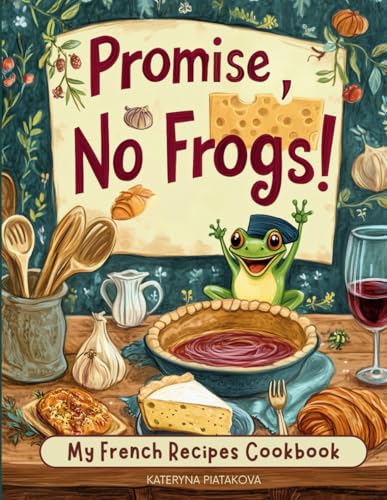
If you love cooking but feel intimidated by fancy French cuisine, then “Promise, No Frogs! My French Recipes Cookbook” is for you. This delightful book makes real French food simple and delicious. You won’t find any snails here, just approachable recipes with beautifully clear instructions and stunning photos.
The layout is user-friendly, helping you quickly navigate through delightful dishes. You’ll discover recipes adapted for home cooks, using simple ingredients you probably already have. Grab a spoon and get inspired! You’ll impress your friends and family with these easy-to-make French meals. Trust me; you won’t want to put it down!
Best For: Home cooks who want to explore French cuisine without feeling overwhelmed by complicated recipes.
Pros:
- Beautifully presented recipes with clear instructions and stunning photos.
- Recipes are adapted for home cooking using simple, accessible ingredients.
- User-friendly layout enhances navigation and engagement in the kitchen.
Cons:
- Limited to French cuisine; may not cater to those seeking diverse international recipes.
- Excludes certain traditional French delicacies like snails, which some may expect.
- Might not challenge experienced cooks looking for more advanced techniques.
Factors to Consider When Choosing French Cookbook Recipes
When picking French cookbook recipes, keep a few key factors in mind. Consider your skill level—don’t bite off more than you can chew! Also, think about how easy it is to find ingredients, the time you’re willing to commit, and how visually appealing the dish will be; after all, we eat with our eyes first!
Skill Level Requirements
Wondering how to pick the right French recipes for your skill level? First, think about your cooking experience. You’ll find options for everyone, from simple starters to complex entrees that need expert skills. Next, check the recipe structure—clear instructions help you tackle even the trickiest dishes. Also consider the ingredients and equipment needed; some recipes might require tools you don’t have yet. Don’t forget to assess the time commitment, as many French recipes can take hours, so patience is key. Finally, look for cookbooks that adapt traditional recipes to fit home kitchens. It’s like having a culinary cheat sheet! Remember, you can always start small and build up your skills over time. Bon appétit!
Recipe Complexity Options
After getting your bearings with skill levels, it’s time to think about recipe complexity. French cooking lets you explore a range of difficulty levels. Some recipes take mere minutes, while others might stretch your culinary patience. Look for cookbooks that offer clear instructions and organized layouts; you’ll find working through complex recipes much easier that way. Don’t skip on the ones that delve into culinary techniques and dish history—these tidbits can deepen your appreciation for what you’re cooking. Just remember, more complex doesn’t always mean better. Keep your cooking experience enjoyable, and don’t hesitate to start with simpler recipes to build confidence before tackling the intricate ones. Happy cooking!
Ingredient Accessibility Considerations
Choosing the right French recipes means considering ingredient accessibility—especially when you’re keen to cook up something delicious without a scavenger hunt. Look for recipes that use common, seasonal ingredients. This not only eases your shopping trips but also keeps things budget-friendly. Versatile ingredients are your best pals; they’ll help you whip up multiple dishes with less waste. While you’re browsing, assess the complexity of each recipe. Can you easily swap ingredients if needed? Cookbooks that simplify traditional French dishes for everyday cooks are a goldmine. Trust me, finding a recipe that embraces everyday ingredients boosts your confidence and makes cooking feel more manageable. So, roll up your sleeves and plunge into those delicious flavors!
Cooking Time Commitment
When diving into the world of French cooking, it helps to contemplate how much time you’re willing to dedicate to your culinary adventures. Some French recipes, like those in *The French Laundry Cookbook*, are a long commitment, requiring hours of preparation and advanced techniques that might not suit a busy schedule. If you want a rewarding experience without the extensive prep, consider cookbooks like *Promise, No Frogs!*, which feature simpler recipes using accessible ingredients. Look for cookbooks that lay out clear instructions and incorporate “mise en place”—this approach can seriously streamline your cooking process. Remember, it’s not just about the end dish; it’s about enjoying each step along the way! So, pick wisely and cook joyfully!
Visual Appeal Importance
Visual appeal makes a big difference in how you approach French cooking, and it’s not just about the taste; it’s about the whole experience! Stunning photography in cookbooks, like “French Cooking Academy,” pulls you in and inspires you to tackle new dishes. When you see a mouthwatering image, it motivates you to give that complex recipe a shot. Plus, a well-organized layout with appealing visuals makes even advanced techniques feel more approachable. It’s like having a culinary tour guide! Remember, a clear presentation not only simplifies the cooking process but also enhances the joy of creating your masterpiece. So go ahead, choose cookbooks that excite your eyes as much as they do your taste buds! Happy cooking!
Frequently Asked Questions
What Basic Kitchen Tools Are Essential for French Cooking?
You’ll want a few key tools for French cooking. First, grab a good chef’s knife—it’ll be your best buddy for chopping, dicing, and slicing. A sturdy cutting board is essential, too. Don’t forget a whisk for those delicate sauces and a heavy-bottomed skillet for searing. Finally, a fine mesh strainer will help you create those silky sauces. With these essentials, you’ll feel like a pro in no time—bon appétit!
How Can I Find Substitutes for Difficult-To-Find French Ingredients?
Finding substitutes for tricky French ingredients can feel like hunting for treasure, but don’t worry—you’re on the right path! Start by checking your pantry for common alternatives like sour cream for crème fraîche or chicken broth for demi-glace. Internet resources and culinary forums are gold mines too. And hey, if you can’t find it, improvising can lead to delicious surprises! So, give it a try—your dish might just turn out even better!
Are There Beginner-Friendly French Recipes in These Cookbooks?
Many beginner-friendly French recipes are included in these cookbooks. You’ll find simple dishes like Ratatouille and Quiche Lorraine that won’t overwhelm you. They break down complicated techniques into manageable steps, so you won’t feel lost in the kitchen. Plus, most offer tips for success, like chopping techniques or timing tricks. Immerse yourself, enjoy the process, and soon, you’ll be impressing your friends with your French flair—even if you burn the baguette!
What Are Common Mistakes When Cooking French Dishes?
When cooking French dishes, you might over-season or rush cooking times—big no-nos! Cooking too fast often leaves flavors muddled, so take your time to let those rich tastes develop. Also, don’t skimp on quality ingredients; they’re the backbone of French cuisine. Finally, avoid skipping steps. Each technique has a purpose. Remember, even the French can be perfectionists; it’s all about that “je ne sais quoi”! Just relax and enjoy the process!
How Do I Pair Wines With French Cuisine Effectively?
To pair wine with French cuisine effectively, start by matching the wine to the dish’s flavors. For creamy sauces, opt for a rich Chardonnay. If you’re serving beef, a robust Bordeaux will shine. Wondering about seafood? A crisp Sauvignon Blanc is your go-to. Don’t worry too much; it’s all about your taste! Experiment and enjoy the process. Remember, there are no strict rules. Just trust your palate, and you’ll be just fine!