As an Amazon Associate, we earn from qualifying purchases. Some links on this site are affiliate links at no extra cost to you. Our recommendations are based on thorough research and editorial judgment.

What Is A Buttermilk Substitute?

If you find yourself without buttermilk, don’t sweat it! We can whip up some easy substitutes that’ll work just as well. Try mixing a tablespoon of vinegar or lemon juice with a cup of milk—let it sit for 5 minutes, and voilà! You can also use plain yogurt, sour cream, or even kefir. These options not only replicate that tangy flavor, but they also help keep your dishes delightfully fluffy and tender. Interested in more ideas?
Key Takeaways
- Mix 1 tablespoon of vinegar or lemon juice with 1 cup of milk to create a buttermilk substitute.
- Plain yogurt or Greek yogurt can be used as a 1:1 replacement for buttermilk.
- Sour cream diluted with water offers a tangy alternative to buttermilk.
- Kefir serves as an excellent direct replacement for buttermilk in recipes.
- Plant-based milk combined with vinegar provides a vegan option for buttermilk substitution.
Understanding Buttermilk and Its Role in Cooking
You may be interested



When we think about cooking, buttermilk often doesn’t get the spotlight it deserves, but it’s a true kitchen hero. Its origins can be traced back to the leftover liquid after churning butter, giving it a rich history. Today, it’s mostly made by culturing low-fat milk, but its unique tang and mild acidity are what we love. Buttermilk shines in various culinary applications—we’ve used it for pancakes that are fluffy and tender, and in marinades that add moisture to chicken. Plus, those probiotics? They’re a delightful bonus for our gut health! Silicone baking mats are another ingredient that can enhance our cooking experience, ensuring even heat distribution for perfectly baked goods. So, if we haven’t yet introduced buttermilk into our cooking routine, let’s take the plunge and experience how it transforms our meals into something special.
Common Buttermilk Substitutes
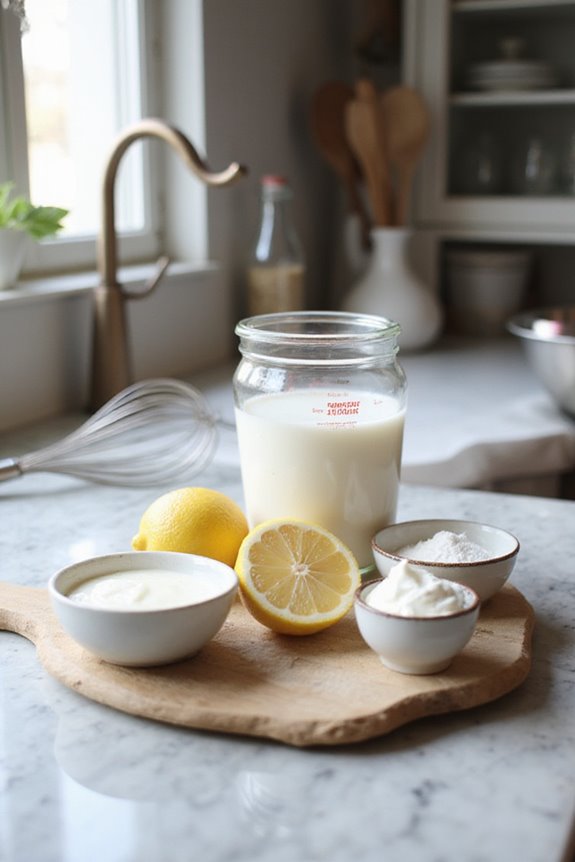
Finding an alternative to buttermilk isn’t as challenging as it seems; in fact, there are several common substitutes we can whip up right in our kitchens. For those of us with yogurt handy, mixing plain yogurt with a bit of milk can create a fabulous buttermilk substitute. Just blend 200 ml of yogurt with 50 ml of milk for the right consistency. And let’s not forget about vinegar mixtures! A tablespoon of white vinegar or apple cider vinegar mixed with 250 ml of milk does the trick, too. Both options bring that tangy flavor we adore, perfect for pancakes and baked goods. Additionally, using disposable air fryer liners can simplify the cleanup process when making a big batch of pancakes. So, let’s embrace these simple swaps and keep our culinary adventures rolling!
Recommended Products

Hoosier Hill Farm Whole Milk Powder, made from 100% hormone-free whole milk, is great to have on hand for cooking, baking, or any time you need a refreshing glass of milk. High in protein and rich in nutrients, Whole Milk Powder has a sweet, pleasing flavor, just like fresh milk.

Sweet and creamy Buttermilk Powder is the perfect pantry staple for pancakes, biscuits, and recipes calling for buttermilk.

All-in-One Protein Shake, No Blender Needed: Skip the supplement stack. This grass fed whey protein powder covers your protein, 10g collagen and adaptogen mushrooms with real banana and cinnamon. No junk. Can be used as a meal replacement shake.
How to Make a Quick Buttermilk Substitute
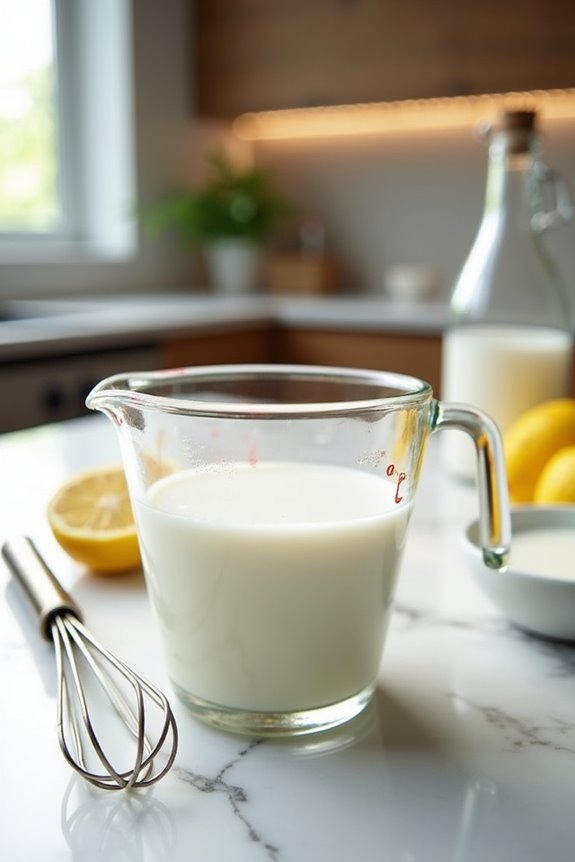
Have you ever found yourself in the middle of a recipe, only to realize you’re out of buttermilk? Don’t worry, we’ve got your back! Making a quick mix is super easy. Just combine 1 tablespoon of your favorite acid choice—like lemon juice or white vinegar—with just shy of a cup of milk in a measuring cup. Stir gently, and let it sit for about 5 minutes. This sets up a nice, thick texture similar to buttermilk, perfect for pancakes or muffins. And hey, if you’re dairy-free, using plant-based milk works just as well! Just remember, this substitute is ready in a flash, so we can keep the baking fun without all those extra grocery trips! Plus, using a nonstick surface for mixing can make the process even easier and cleaner.
Recommended Products

6 - 22 oz. bags of Arrowhead Mills Buttermilk Pancake & Waffle Mix

6 - 22 oz bag of Arrowhead Mills Buckwheat Pancake & Waffle Mix

Non-GMO verified organic soybeans and reverse osmosis purified well water only. Delicious taste, rich and creamy for cereal, in smoothies, recipes, coffee creamer, baking, and for yogurt making.
Variants of Homemade Buttermilk Substitutes
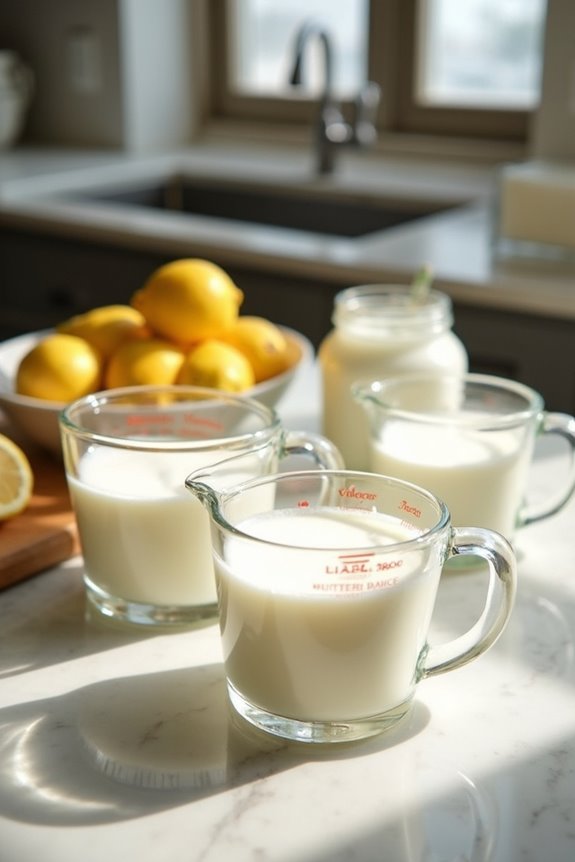
There are several fantastic alternatives to buttermilk that we can whip up right in our kitchens! For yogurt variations, plain or Greek yogurt works wonders as a 1:1 substitute and provides similar acidity. If we mix ¾ cup sour cream with ¼ cup water, we’ll experience a delightful tang. Let’s not forget kefir benefits—it’s another great direct replacement that keeps our baked goods tender! If we need a quick fix, stirring 1¾ teaspoons of cream of tartar into a cup of milk gives us the acidity for perfect leavening. Finally, for those embracing dairy alternatives, a mix of plant-based milk with vinegar creates a lovely vegan buttermilk. Each option adds unique texture differences and flavor profiles, making our baking adventures exciting! Additionally, using airtight containers for your homemade substitutes can help maintain their freshness and prevent spoilage.
Recommended Products

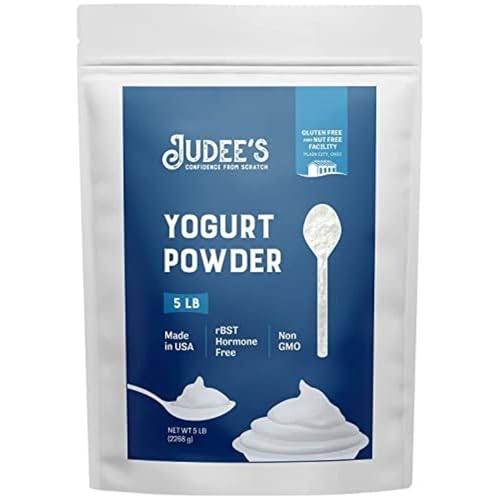
Versatile Yogurt Powder: Experience the versatility of Judee's Yogurt Powder, ideal for crafting Greek yogurt or tangy dressings. This powdered yogurt option delivers the rich taste of real dairy while being gluten free and nut free

Make your own probiotic dairy free soy, almond or coconut yogurt - or use cow milk or goat milk
Tips for Using Buttermilk Substitutes in Recipes
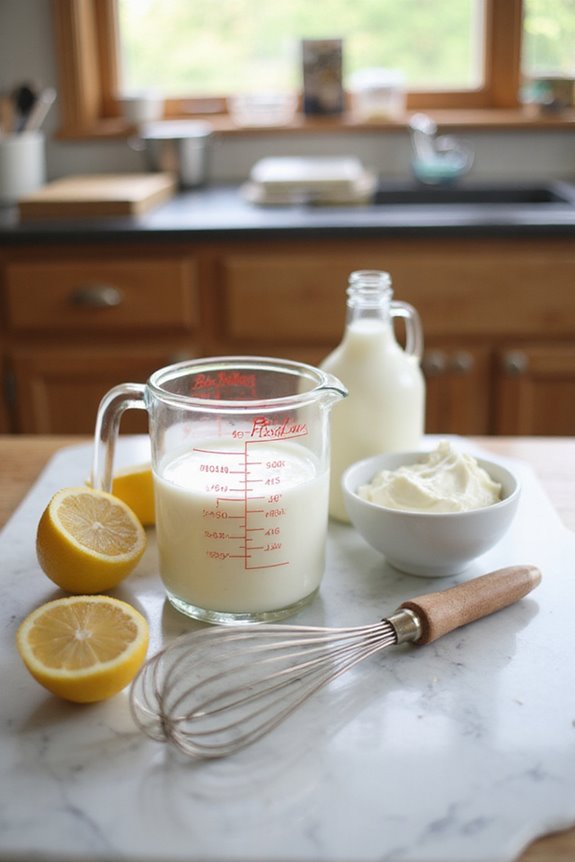
When we whip up our favorite dishes, it’s super helpful to know how to use buttermilk substitutes effectively. First off, let’s remember proportional scaling; for every one cup of buttermilk, we can simply mix one tablespoon of vinegar with one cup of milk. Sweet, right? When using substitutes, we want to maintain ingredient balancing. So, if we need less than a cup, we should measure fractions to keep consistency. It’s also wise to let our vinegar or lemon juice sit for five minutes to thicken before mixing. And please, use our mixtures promptly! After creating the perfect blend, we want to stir gently and avoid letting it sit—this guarantees our dishes are as delicious and fluffy as possible. Additionally, using non-toxic materials in cookware can enhance safety and cooking performance. Happy cooking!
Recommended Products

Lemon and Olive Oil Vinaigrette Salad Dressing

If you like to add fresh-squeezed lemon to your favorite dishes, then this Sicilian Lemon White Balsamic Vinegar is for you!

WHITE LEMON INFUSED BALSAMIC VINEGAR: Refreshing & tangy-sweet. Tastes as if it was picked straight from the tree! Our white lemon infused balsamic vinegar offers a sweet and tangy flavor profile with the decadence of lemonade and a zing that is perfect for adding a citrussy freshness to any dish. We hand blend this balsamic by starting with our signature traditional balsamic vinegar Di Modena Italy, then flavor it to our exact specifications right here in our facility in Texas. (8.5 oz)
Nutritional Considerations of Buttermilk Substitutes
Considering the variety of buttermilk substitutes we might use in our recipes, it’s essential to keep their nutritional profiles in mind. For instance, while buttermilk is low in calories and rich in nutrients like calcium, some substitutes, like Greek yogurt, offer higher protein but also more calories. We’ve got to think about protein quality too; dairy-based substitutes typically provide essential amino acids that help maintain muscle, whereas plant-based options might require blending for a balanced amino acid profile. Plus, if we’re watching our fat content, it’s vital to know that heavy cream alternatives pack a caloric punch. Let’s also consider digestive tolerance; for those sensitive to lactose, lactose-free options are lifesavers! Balancing these factors keeps our recipes both nutritious and delicious.
Popular Substitutes for Different Dietary Needs
Finding the right buttermilk substitute can feel overwhelming, but fear not! Whether we’re dealing with dietary restrictions or just running low on buttermilk, we’ve got options. For lactose-free folks, mixing lactose-free milk with lemon juice works wonders. Soy milk is another dairy-free option that mimics the acidity we crave. If we’re in the mood for something creamier, let’s consider Greek yogurt blended with milk—it’s a fabulous choice for pancakes!
Of course, we can’t forget about the flavor variations and texture differences in all these substitutes. Almond milk, while a bit thinner, offers a pleasant taste in recipes where texture isn’t king. So, let’s embrace these options and get baking, friends!
Recommended Products

Accept No Substitutes - Choose 100% Real grade A milk, Lactose Free shelf stable milk contains Vitamin A, Vitamin D, along with 8g of Protein per Cup. Free from Artificial Growth Hormones and Preservatives.

✔️Delicious: Simple, dairy-free, vegan, only natural ingredients. Great taste, better than traditional ranch dressing with dairy.

Frequently Asked Questions
Can Buttermilk Substitutes Be Used in Savory Dishes?
We can use buttermilk substitutes in savory dishes, enhancing flavor profiles while keeping our recipes delightful. Isn’t it ironic how something so simple can elevate our favorite savory recipes so seamlessly? Let’s explore together!
How Can I Enhance the Tanginess of a Substitute?
To enhance tangy flavors in our substitute, we can adjust acidity balance by adding lemon juice or using cultured dairy. Mixing yogurt or sour cream with milk also helps create a delightful tanginess in our dishes.
Are There Any Precautions for Non-Dairy Substitutes?
When we’re using non-dairy alternatives, let’s be mindful of potential allergens like soy and nuts. Always check labels to guarantee we’re making safe choices for ourselves and our loved ones. Safety first, right?
How Long Does Homemade Buttermilk Substitute Last in the Fridge?
We’re not kidding; our homemade buttermilk substitutes have a lifespan of just three days in fridge storage! Let’s enjoy it fresh and tangy, using it quickly for the best flavor and quality in our dishes.
Can I Use Buttermilk Substitutes for Marinating Meats?
Absolutely, we can use buttermilk substitutes for marinating meats! They enhance marinade effectiveness and improve meat tenderness, just like traditional buttermilk. We really enjoy how these alternatives bring out incredible flavors in our dishes.