As an Amazon Associate, we earn from qualifying purchases. Some links on this site are affiliate links at no extra cost to you. Our recommendations are based on thorough research and editorial judgment.

How To Use Frozen Vegetables?

Using frozen vegetables is a game-changer for us all! They’re packed with nutrients, ready to use, and never go bad. We can sauté, steam, or roast them quickly for flavorful meals. A little garlic or fresh herbs can elevate their taste—trust me, it’s worth it! Plus, they’re perfect for soups and stir-fries when we’re in a rush. Want to know how to get the best out of your frozen veggies? Stick around for more tips!
Key Takeaways
- Sauté frozen vegetables for 5-7 minutes with garlic or shallots to preserve texture and enhance flavor.
- Steam delicate frozen veggies to maintain firmness without overcooking.
- Roast root vegetables straight from the freezer for a crispy, caramelized result.
- Incorporate frozen veggies into soups and stir-fries for quick, nutritious meals.
- Use fresh herbs, lemon juice, or Parmesan as finishing touches for added flavor and freshness.
Benefits of Using Frozen Vegetables
You may be interested



When we think about adding veggies to our meals, frozen vegetables often don’t get the credit they deserve. They’re like the underrated sidekicks in our kitchen! With frozen storage, we can whip up a nutritious meal in no time. These veggies retain most of their nutrients, offering us vitamins and minerals similar to fresh options. Plus, they come prepped and ready to go, making meal prep a breeze! We don’t have to worry about spoilage or seasonal limitations. This means we can easily stick to our veggie intake goals, even amidst busy schedules. Additionally, using frozen vegetables can save time in the kitchen, allowing us to focus on other culinary tasks like mixing ingredients for our favorite recipes. So next time you’re at the store, let’s grab those frozen bags and keep our meals vibrant, healthy, and oh-so-convenient!
Cooking Methods for Frozen Vegetables
Cooking frozen vegetables can seem tricky at first, but once we get the hang of it, we realize just how easy and versatile they can be! Let’s explore a few methods together. Sautéing’s a quick favorite—just 5-7 minutes in a hot pan preserves that nice texture and gives us a crispy bite. For delicate veggies, steaming works well—just remember to time it carefully to avoid mushiness. Roasting offers a tasty crunch, perfect for root veggies, while grilling gives us that smoky flavor we love. Air frying is another gem, creating crisp textures without too much oil. We should be cautious with microwaving and boiling, though, as they can lead to soggy results. Additionally, pairing spiralized vegetables with frozen options can enhance creative uses for healthy meals. Let’s keep our cooking differences in mind for the best outcomes!
Recommended Products
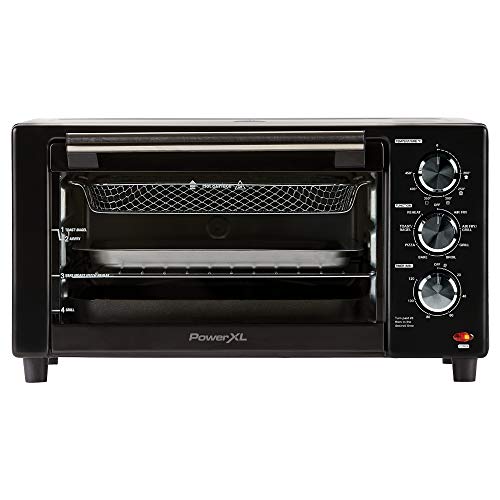

The Joule Smart Countertop Oven Air Fryer Pro is a connected countertop air fryer oven featuring 13 pre-set smart cooking functions; The Element IQ system steers power when and where it's needed for precisely cooked food that's crisp, juicy and flavorful

LARGE CAPACITY - Accommodate 12" pizzas, 9" x 13" cake pans, 2 qt. casserole dishes and more in a spacious cooking cavity that's sized for party-style fare
Flavor Enhancements for Frozen Vegetables
After mastering different cooking methods for frozen vegetables, we’ve only scratched the surface of how to make them truly shine on our plates. Let’s embrace aromatic ingredients like garlic and shallots—which release their delicious juices when cooked together. A mirepoix base can truly elevate the flavors without needing excessive seasoning. We can toss our frozen veggies in oil and sprinkle on some garlic powder or black pepper for that extra kick! Remember, roasting them without thawing prevents mushiness and guarantees we enjoy perfect caramelization. And don’t forget the fresh herbs! Adding them at the end is like the cherry on top, infusing freshness and color to our dishes. So, let’s make our frozen vegetables sing on our plates! Additionally, using non-stick oven liners can help simplify the cleanup process while roasting, ensuring that we focus on flavor rather than mess.
Recommended Products

TWO INDEPENDENT OVENS: Creates two separate ovens. Access just the top for quick meals and snacks or open the full door so you can cook 2 meals, 2 ways on the top and bottom.

CONVECTION TECHNOLOGY: The Cuisinart Chef’s Convection Toaster Oven provides 1800 watts of power and 15 cooking functions including Dual Cook, Speed Convection, Pizza, Bake, Broil, Toast, Waffle, Bagel, Keep Warm, and more.

Masterful Cooking, Deliciously Simple: The Dreo ChefMaker combines food science and chef mastery to deliver the most perfectly cooked meals. Taste perfectly cooked steaks, succulent tender salmon, and flavorful juicy chicken breasts, all with just the press of a button.
Nutritional Considerations
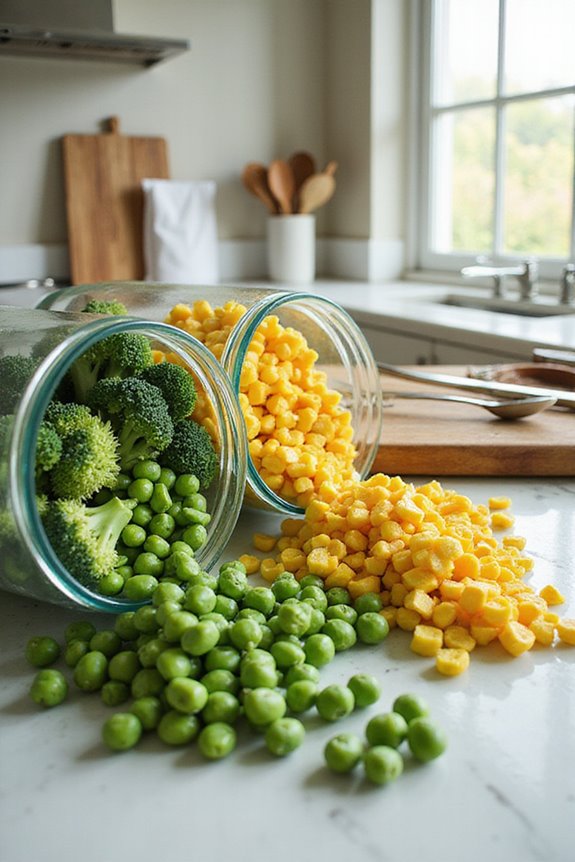
How can we make the most of frozen vegetables regarding nutrition? It turns out, frozen veggies retain nutrient levels that are quite impressive—sometimes even matching or exceeding fresh options, especially in vitamin C. When we freeze vegetables right after harvest, we help preserve their peak nutrient quality. But, let’s remember, cooking methods matter. Steaming, for instance, keeps more nutrients intact compared to boiling. In fact, using a veggie steamer can promote healthy cooking by retaining over 90% of nutrients. If we sauté or bake, we might boost some beneficial compounds too! Just be cautious with high heat; prolonged cooking can zap water-soluble vitamins. By focusing on nutrient retention and mindful cooking, we can enjoy the best of both frozen and fresh vegetables. So, let’s get cooking and boost our nutrition, one veggie at a time!
Tips for Cooking Without Thawing
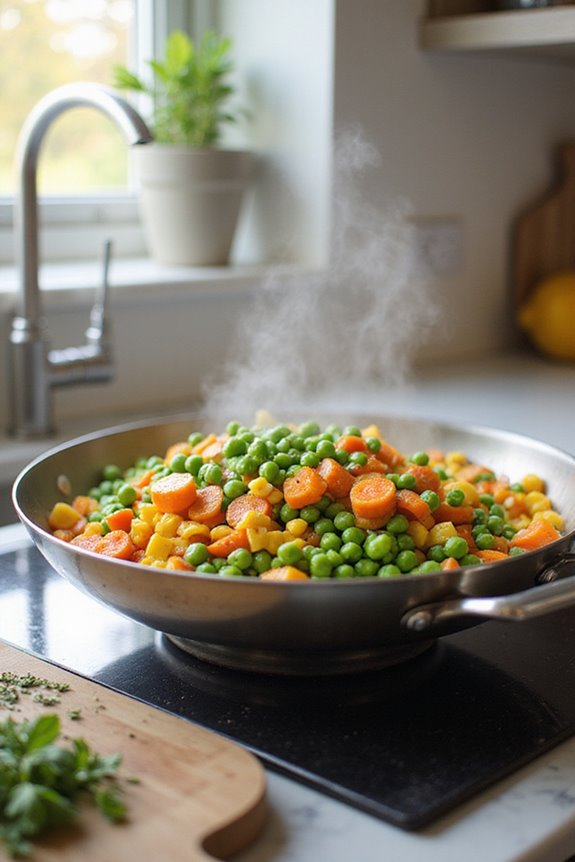
While we might think thawing is a necessary step for cooking frozen vegetables, it’s actually not! Cooking straight from frozen helps keep their crispness and prevents that soggy texture we all dread. Plus, frozen vegetables are partially cooked during freezing, so they’re ready to go! When sautéing, we should aim for a hot skillet with a bit of oil to promote caramelization and flavor. Roasting at high temperatures also enhances that natural sweetness. Just remember, cooking times may need to be extended by about 50% compared to fresh veggies. And let’s skip the boiling—it just makes ‘em mushy! With a little practice, we can whip up delicious meals without thawing. Trust us; it’s a game-changer! Additionally, using a pressure cooker can further reduce cooking times and enhance flavor retention.
Recommended Products
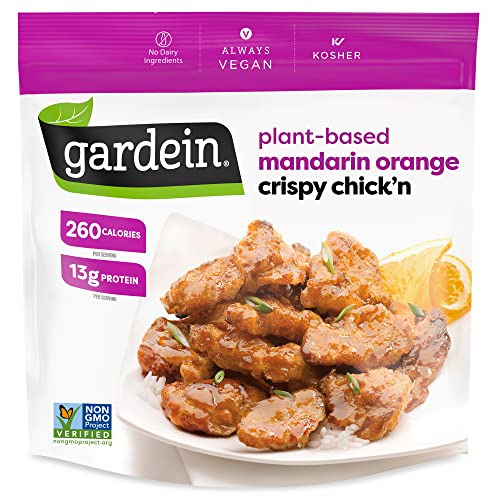
Contains one 10.5-ounce bag of Gardein Mandarin Orange Crispy Plant-Based Chick'n

9-IN-1 FUNCTIONALITY: Pressure cook, slow cook, rice cooker, yogurt maker, steamer, sauté pan, yogurt maker, sterilizer and food warmer.

The Breville Fast Slow Pro pressure cooker automatically adjusts time, temperature and pressure between fast and slow cooking modes to coax maximum flavor and texture
Incorporating Frozen Vegetables Into Dishes
Using frozen vegetables not only saves time but also opens up a world of culinary possibilities. We can easily incorporate them into our meal prep and create delicious, creative recipes that make eating healthy a breeze. For instance, toss them into a comforting soup or stir-fry for a quick weeknight dinner. Want a flavorful side? Roasting frozen veggies brings out their natural sweetness and transforms them into crispy delights. Don’t forget to enhance their flavors with herbs, a squeeze of lemon, or a sprinkle of Parmesan—trust us, it makes a huge difference! So let’s not shy away from these frozen gems; they make our meals nutritious and flavorful with minimal effort. Happy cooking!
Recommended Products

Robert Rothschild Farm Roasted Pineapple & Habanero Gourmet Glaze and Finishing Sauce – Sweet and Spicy Marinade, Glaze

Content: Dehydrated Onion, Carrot, Potato, Sweet Potatoes, Red And Green Bell Peppers And Parsley Flakes

Nourishing Mixed Vegetables: Our premium dried mixed vegetables includes carrot flakes, spinach flakes, cabbage flakes, onion flakes, and minced garlic, carefully dehydrated at low temperatures to preserve their natural color, flavor, and nutritional value.
Recommended Tools and Equipment
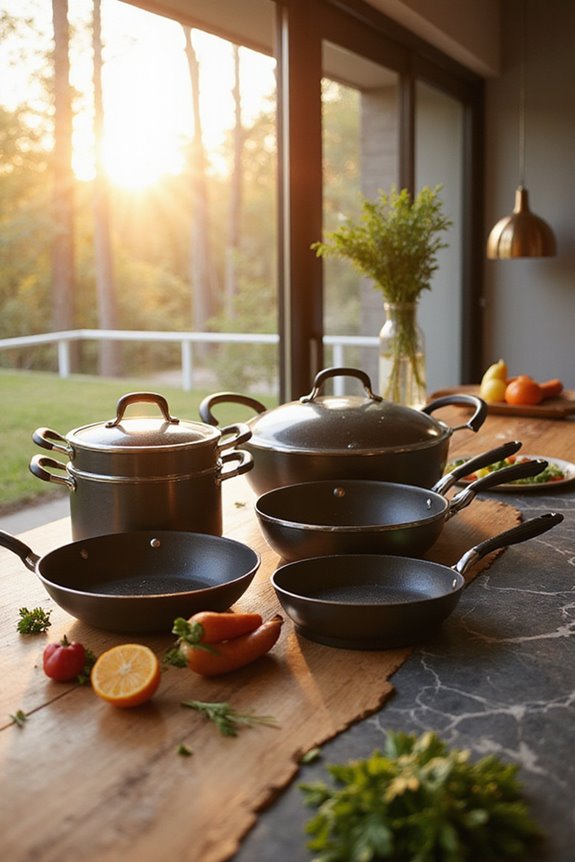
When it comes to cooking with frozen vegetables, having the right tools at your fingertips makes all the difference. We recommend investing in silicone ice cube trays for easy portioning of pureed veggies and Ziploc freezer bags to store them compactly. Sheet pans are perfect for flash-freezing, preventing those pesky clumps. For cooking, use steamer baskets to avoid waterlogging and nonstick pans for sautéing straight from frozen. Remember, measuring cups keep our portions in check. And let’s not forget about a quality knife set for mastering those cutting techniques! With thoughtful storage solutions and the right equipment, we can enjoy the convenience of frozen veggies without sacrificing flavor or texture. Trust us; your meals will thank you!
Recommended Products
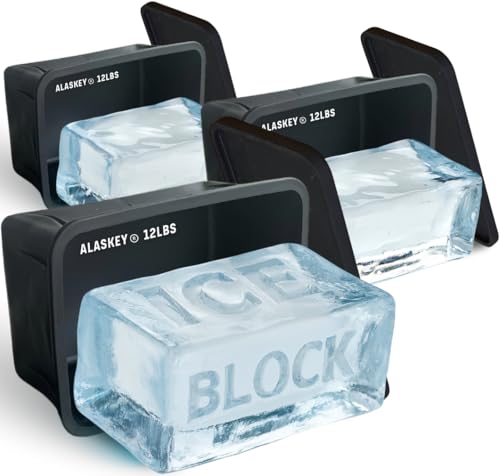
🧊 PROFESSIONAL-GRADE DESIGN - Elevate your ice experience with our Ultra Thick reusable ice block mold, designed for professional use and constructed from durable silicone for enduring performance.

💯 Cordless Freedom: This portable cordless heated lunch box for adults is equipped with recharged battery, making it a breeze to enjoy hot meals on the go. This electric lunch box is ideal for whether at work, in the car or outdoor settings, it enables food automatically heating without electrical sockets. Its 9,000mAh battery ensures a single heating cycle and maintains sustained warmth, allowing you to enjoy hot meals anywhere
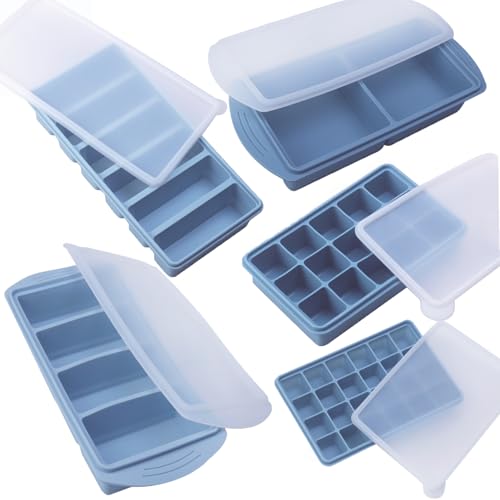
100% PURE PLATINUM FOOD GRADE SILICONE CONSTRUCTION - Flexible, food-safe, and durable, our silicone freezer molds are perfect for freezing whole meals, single servings, sauces, ingredients, and other items in the portion size of your choice,reusable, proven to reduce the use of plastics, and are a more sustainable choice.
Frequently Asked Questions
Can I Mix Different Frozen Vegetables When Cooking?
Absolutely, we love mixing different frozen vegetables! With our mixing techniques and flavorful combinations, we can create incredibly vibrant dishes that surprise our taste buds and nourish our souls. Let’s experiment together!
How Long Can Frozen Vegetables Be Stored in the Freezer?
Frozen vegetables can be stored for 8 to 12 months to enjoy their best quality. Let’s remember the storage tips together, ensuring they last longer while savoring great flavor and texture for our meals.
Do Frozen Vegetables Contain Added Preservatives or Additives?
Generally, frozen vegetables don’t contain added preservatives or harmful additives, ensuring they keep their nutritional value. We just need to check labels for anything sneaky like salt or sauces lurking around.
Can Frozen Vegetables Be Used in Smoothies?
Absolutely, we can use frozen vegetables in smoothies! They enhance the smoothie texture while offering impressive nutritional benefits, providing fiber, vitamins, and antioxidants that support our health beautifully. Let’s blend for wellness together!
Are Frozen Vegetables Suitable for People With Allergies?
Yes, frozen vegetables can be suitable for people with allergies, but we must pay close attention to ingredient labels and allergy considerations. It’s important to choose carefully and follow safety guidelines for our well-being.